Great Barrier Reef visitor guide: What to know & do once you’ve booked your tour
Australia's Great Barrier Reef spans nearly 3,000 distinct reefs and over 9,000 marine species. Here's what actually matters for a first-time visit, from choosing the right tour to packing the right gear.

1. Decide what kind of reef day suits you first

Pontoon, island, and outer reef sailing tours are genuinely different experiences, not just price tiers. Working this out before comparing tours saves you from booking the wrong one for what you actually want.

How to choose your reef tour

2. Know inner vs. outer reef before you book

Inner reef and island tours (Green Island, Fitzroy Island) give calmer water and easier snorkeling. Outer reef pontoons reach clearer coral and more marine life, at a longer transfer.

Inner vs. outer reef

3. Time your trip around the season

Visibility, sea conditions, and stinger season shift through the year more than most first-timers expect.

Best time to visit

4. Sort your departure point early

Where you're staying affects which marina, which operators, and which reef sites are realistically in reach.

Getting to the reef

5. Pack for the boat, not just the beach
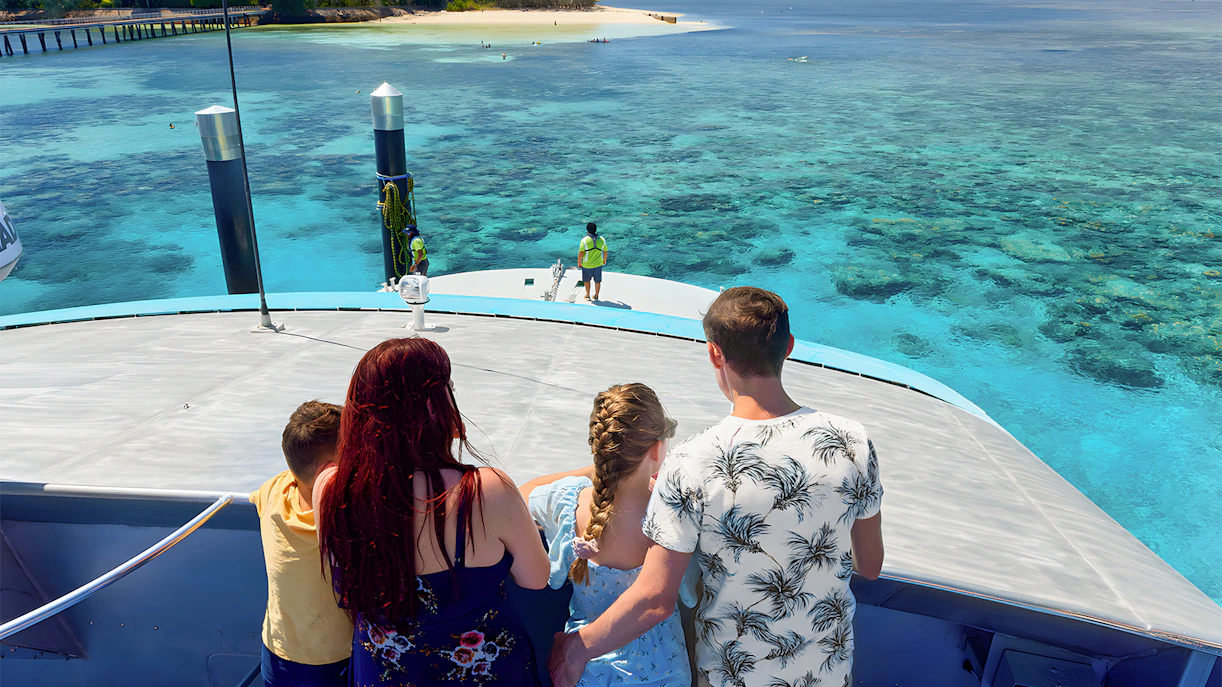
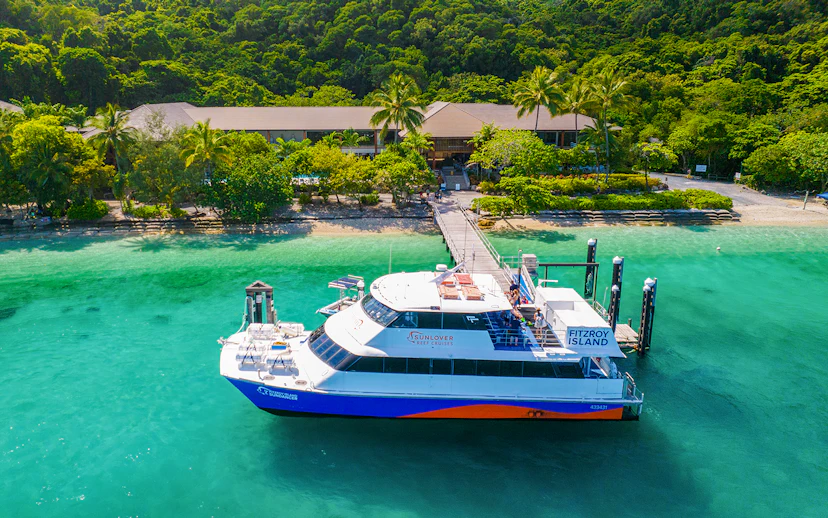
Tourists on a boat approaching Green Island, clear waters visible, Cairns half-day cruise.
  • Reef-safe sunscreen (zinc or titanium dioxide): protects your skin and the coral.
  • Seasickness tablets: take them even if you're a strong swimmer, the open-water ride is rougher than most people expect.
  • Swimwear under your clothes: onboard changing space is limited.
  • Prescription masks: arrange in advance if you rely on them; don't assume one will be available on the day.
  • Underwater camera or GoPro: worth bringing if you want to keep more than a memory of what you see.
  • Light jacket: sea breezes get cool on deck, even on a hot day.
  • Medical essentials: inhalers, seasickness bands for kids, and any daily medication.
  • Documents: ticket confirmation, ID, and check whether your operator has already included the Marine Park fee.

6. Arrive earlier than you think you need to
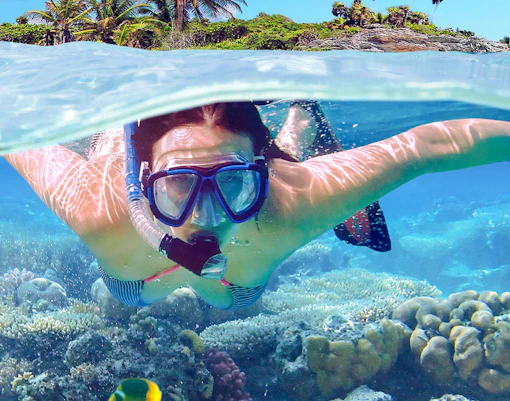
Most tours depart from Cairns Reef Fleet Terminal or Port Douglas Crystalbrook Marina. Arrive 30-60 minutes early for check-in, safety briefings, and gear fitting, terminals get genuinely busy during peak season.

  • Transfers: some operators include hotel pickups, check your voucher.
  • Luggage: day tours only allow small daypacks. Overnight liveaboards offer bunks and secure lockers.

7. Check what's actually included before comparing prices

Snorkel gear, stinger suits, and lunch are included on most tours. Glass-bottom boats, semi-submersibles, and diving upgrades usually aren't. Read the inclusions, not just the headline price.

Explore all tours

8. Non-swimmers have real options

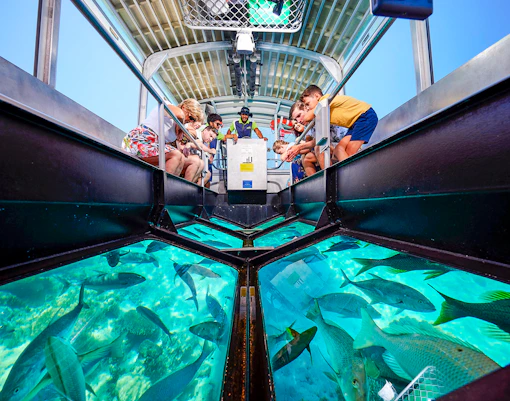
Glass-bottom boats, semi-submersibles, and underwater observatories exist specifically for visitors who don't swim confidently. Crews also provide floats and one-on-one help getting comfortable with a mask and snorkel for anyone nervous about the water.

Explore glass-bottom boat tours

9. Families are well catered for

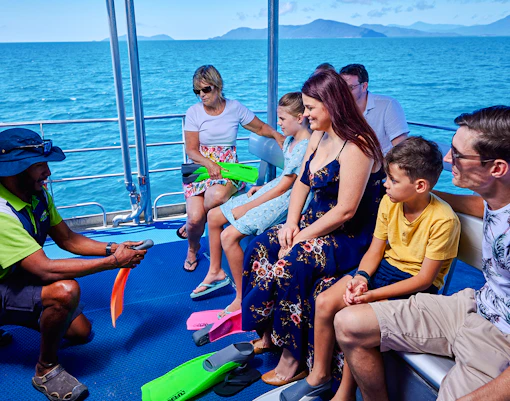
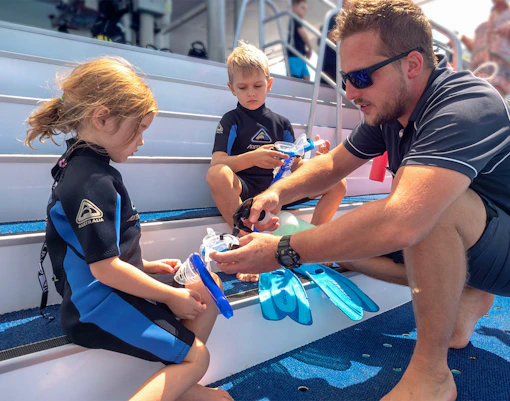
Small masks, flippers, and life jackets, including toddler sizes, are standard equipment on most family-friendly tours, and crews are generally experienced with helping kids feel comfortable in the water.

Explore pontoon tours

10. Know the wildlife seasons

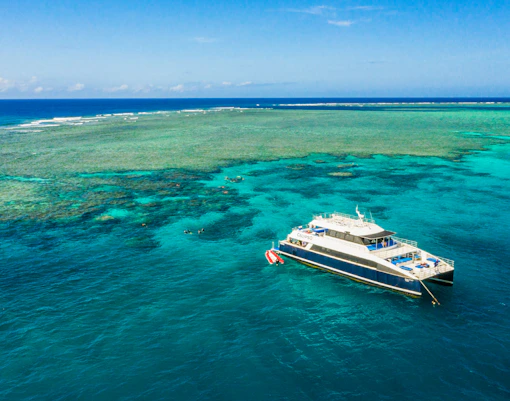
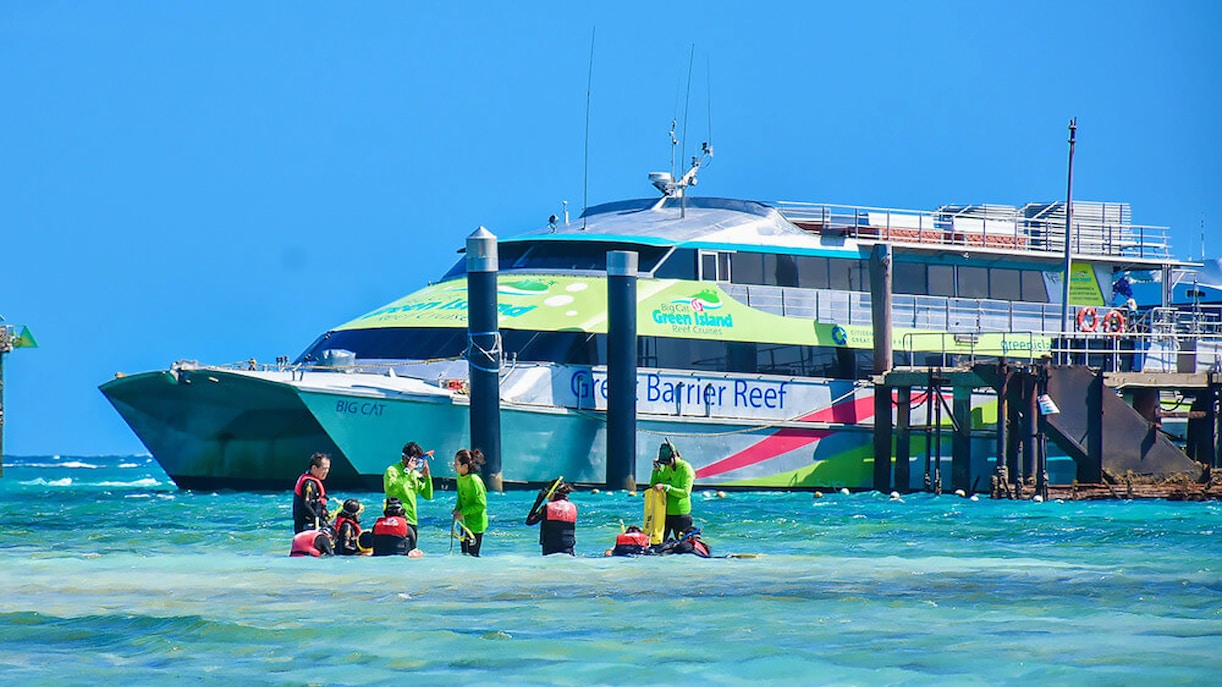
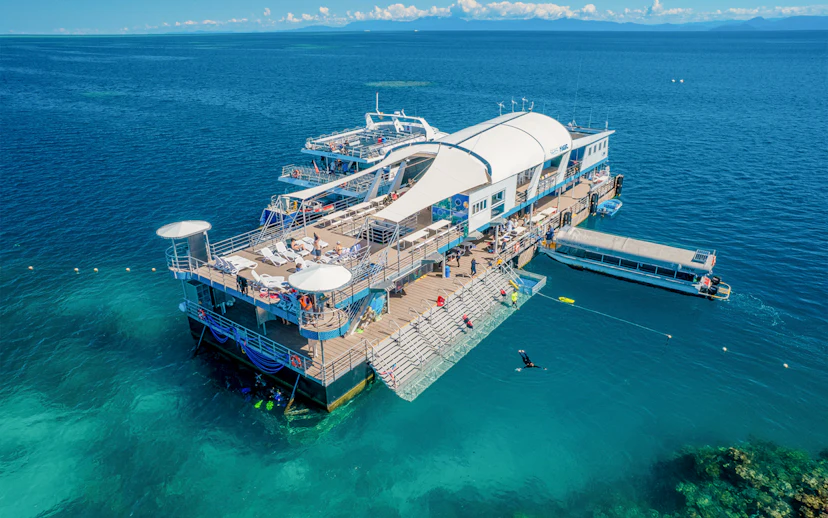
Catamaran docked at Green Island with tourists preparing for a reef cruise.
  • Whale watching (June-October): Humpbacks and minke whales migrate past; some tours pause when whales appear nearby.
  • Turtle nesting (November-April): Turtles lay eggs at night on Green and Fitzroy Islands; hatchlings emerge later in the season.
  • Coral spawning (November-December): Night snorkels can reveal coral spawning shortly after the full moon.
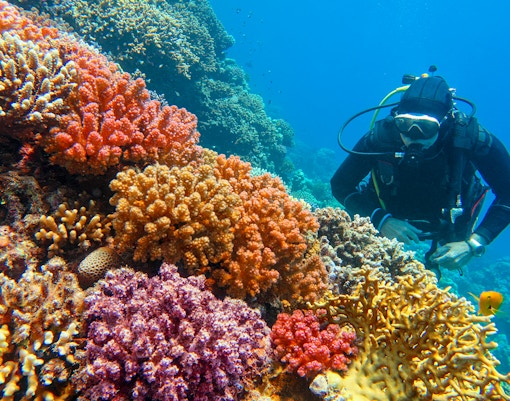
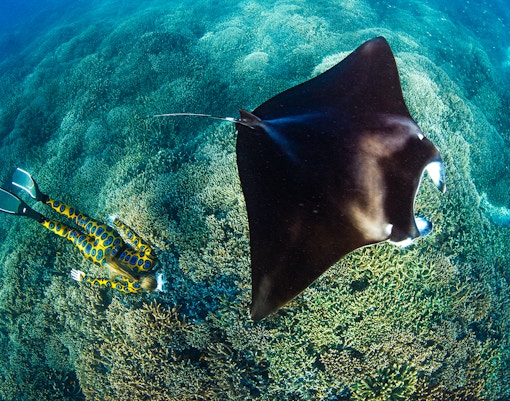
  • Daily sightings: Parrotfish, clownfish, rays, reef sharks, and sea turtles are common; guides help you spot them.

P.S.: Reef sharks aren't a reason to worry. They're common, harmless sightings on most tours, not something to plan around.

Book Great Barrier Reef tours
Aerial tours give a different perspective

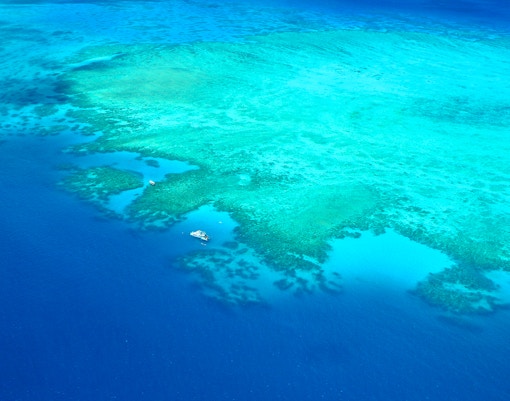
Scenic flights and helicopter add-ons show the reef, Heart Reef, and the Whitsundays from above, a genuinely different way to experience the reef alongside or instead of time in the water.

Onboard & in-water: Making the most of your Great Barrier Reef tour
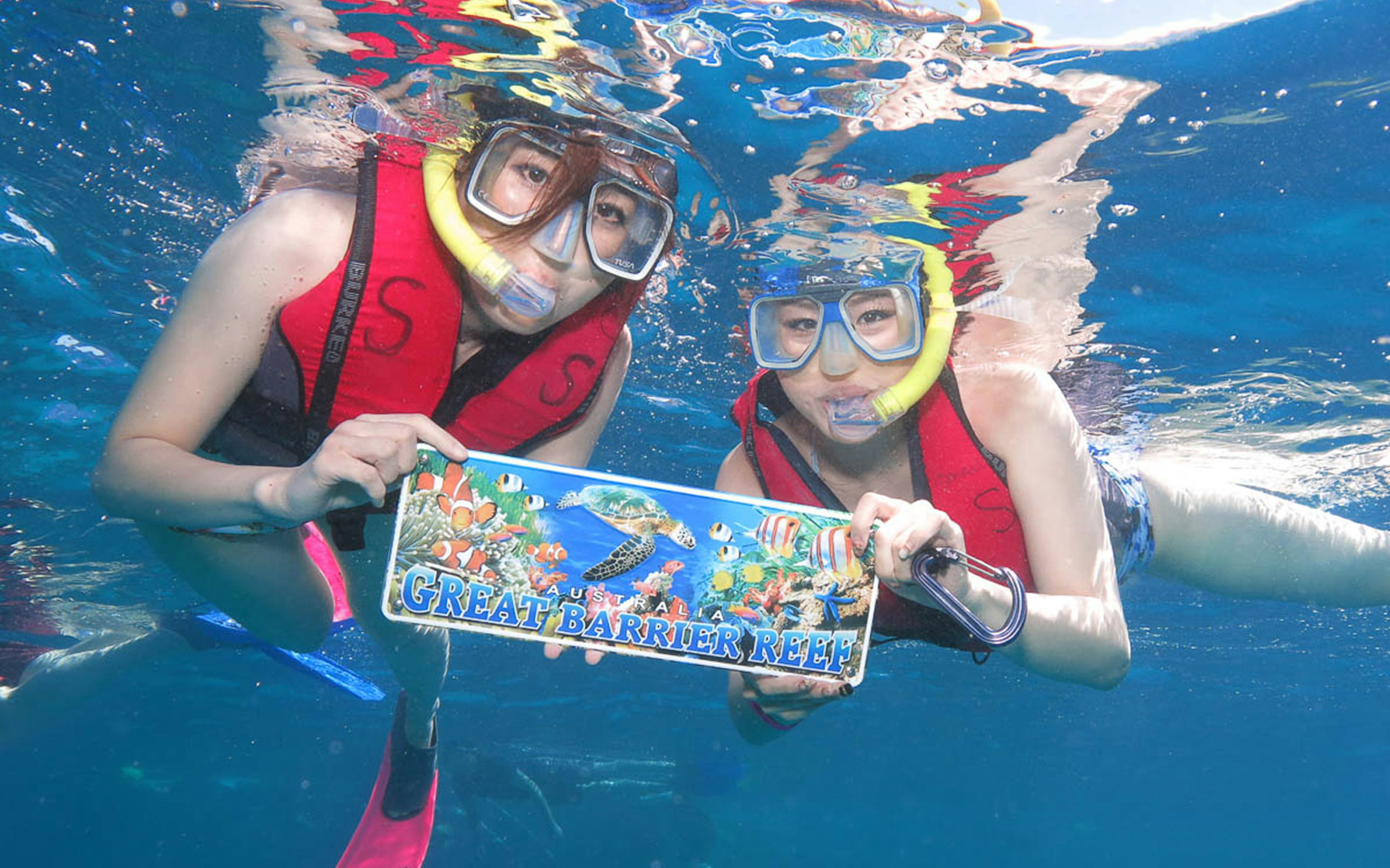
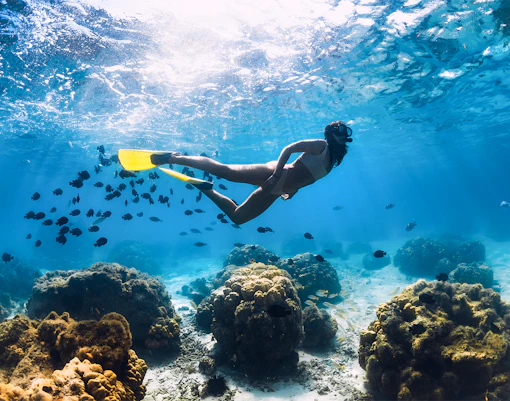
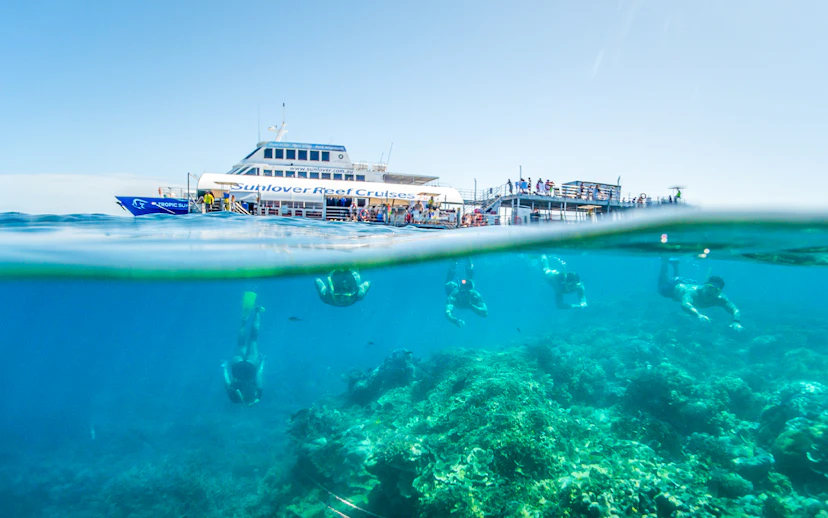
Snorkelers holding Great Barrier Reef sign underwater during adventure cruise.
1/3

Reef etiquette matters

  • Never touch, stand on, or take coral.
  • Keep hands to yourself around turtles and rays.
  • Reapply reef-safe sunscreen on deck rather than right before entering the water.
  • Listen to crew safety briefings; they know the local conditions.
Explore Great Barrier Reef snorkeling tours

Know what to expect for food and facilities

  • Buffet meals are hearty rather than gourmet, factor in that it's catering at sea, not a restaurant.
  • Vegetarian and gluten-free options are usually available if pre-booked.
  • Bring snacks for kids, since menus are typically geared toward adults.
  • Larger boats offer showers, shaded decks, and freshwater rinse taps; smaller tours can be more basic.
  • Charging outlets are rare onboard; bring a waterproof pouch for valuables instead of relying on being able to charge a phone.

Wrapping up your day

  • Crews collect fins, suits, and snorkels at rinse stations before you disembark.
  • Backup your photos as soon as you're back on solid ground.
  • Confirm your return shuttle pickup point and time before boarding.

Frequently asked questions about Great Barrier Reef trips

Take medication at least 30 minutes before departure. If prone, choose larger catamarans or island-based options. Staff are used to assisting seasick travelers.

💬 “My toddler felt sick on the way there, even with seabands, but the staff were super helpful. She was fine on the way back.” — Sisi Z.

Continue planning your reef trip