Cairns Tickets


Great Barrier Reef scuba diving: Explore coral reefs & swim with turtles 

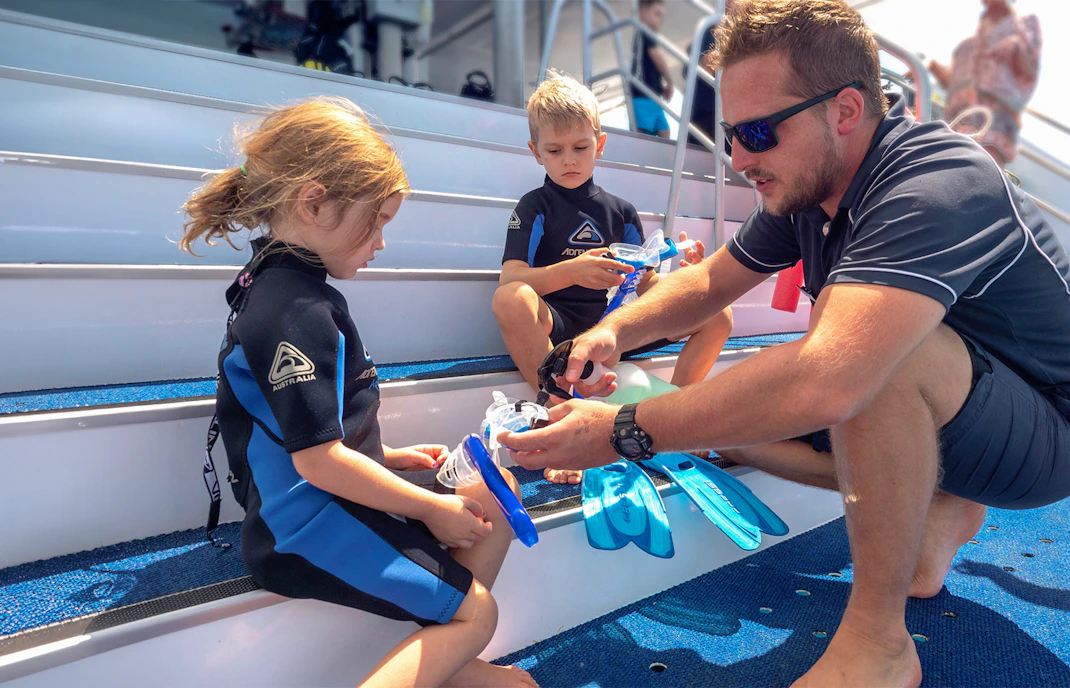
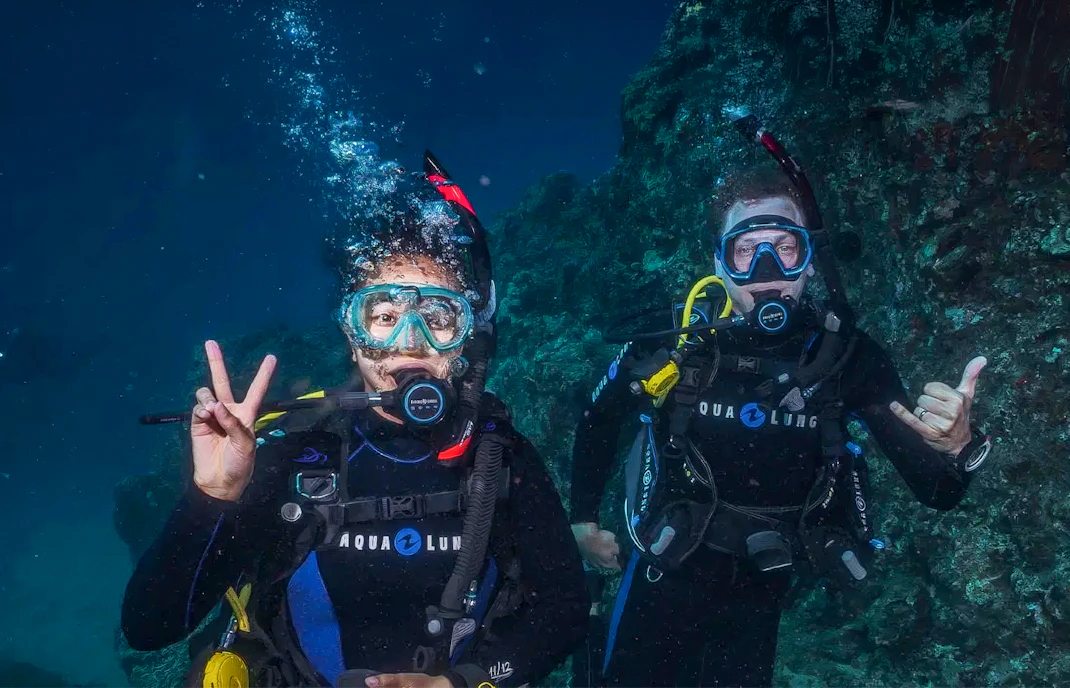
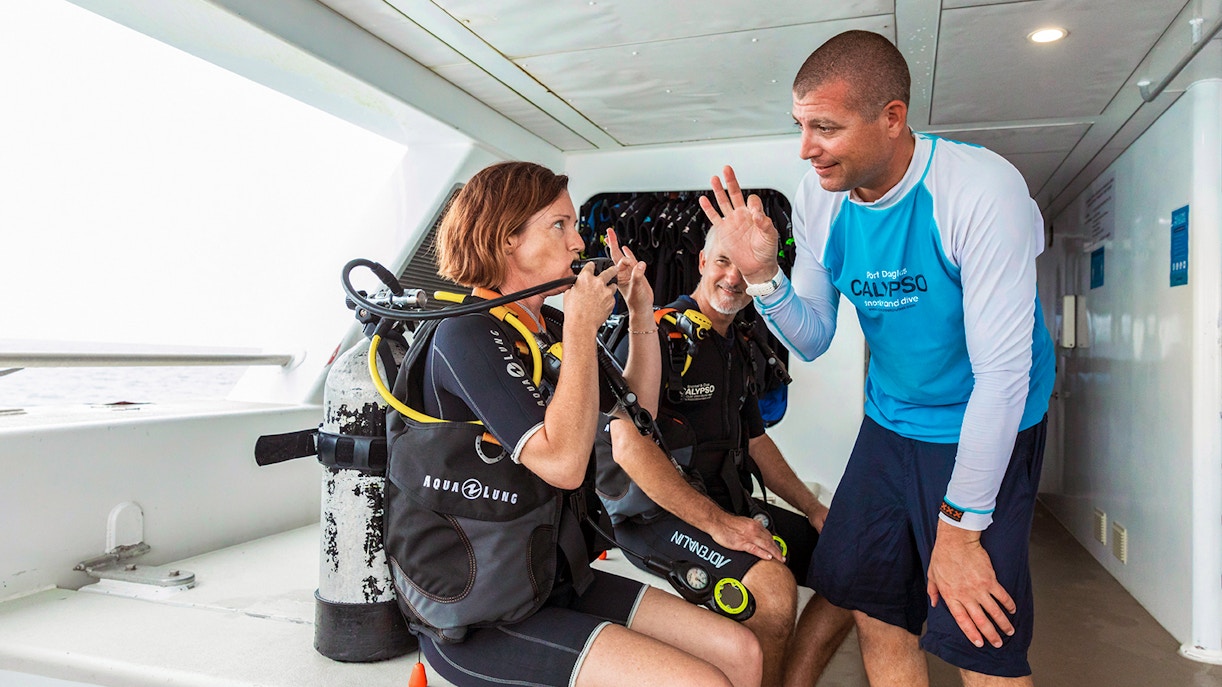
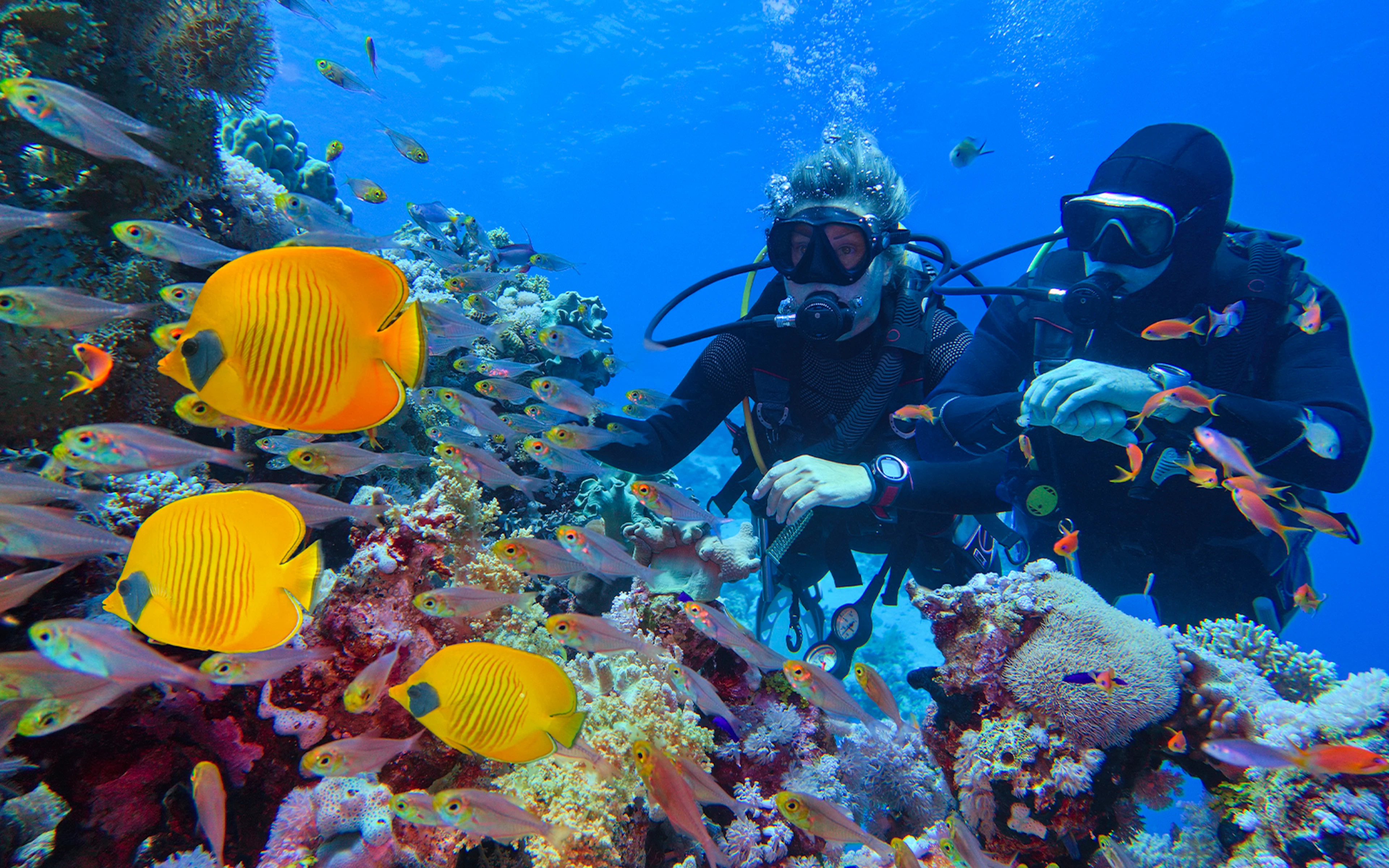
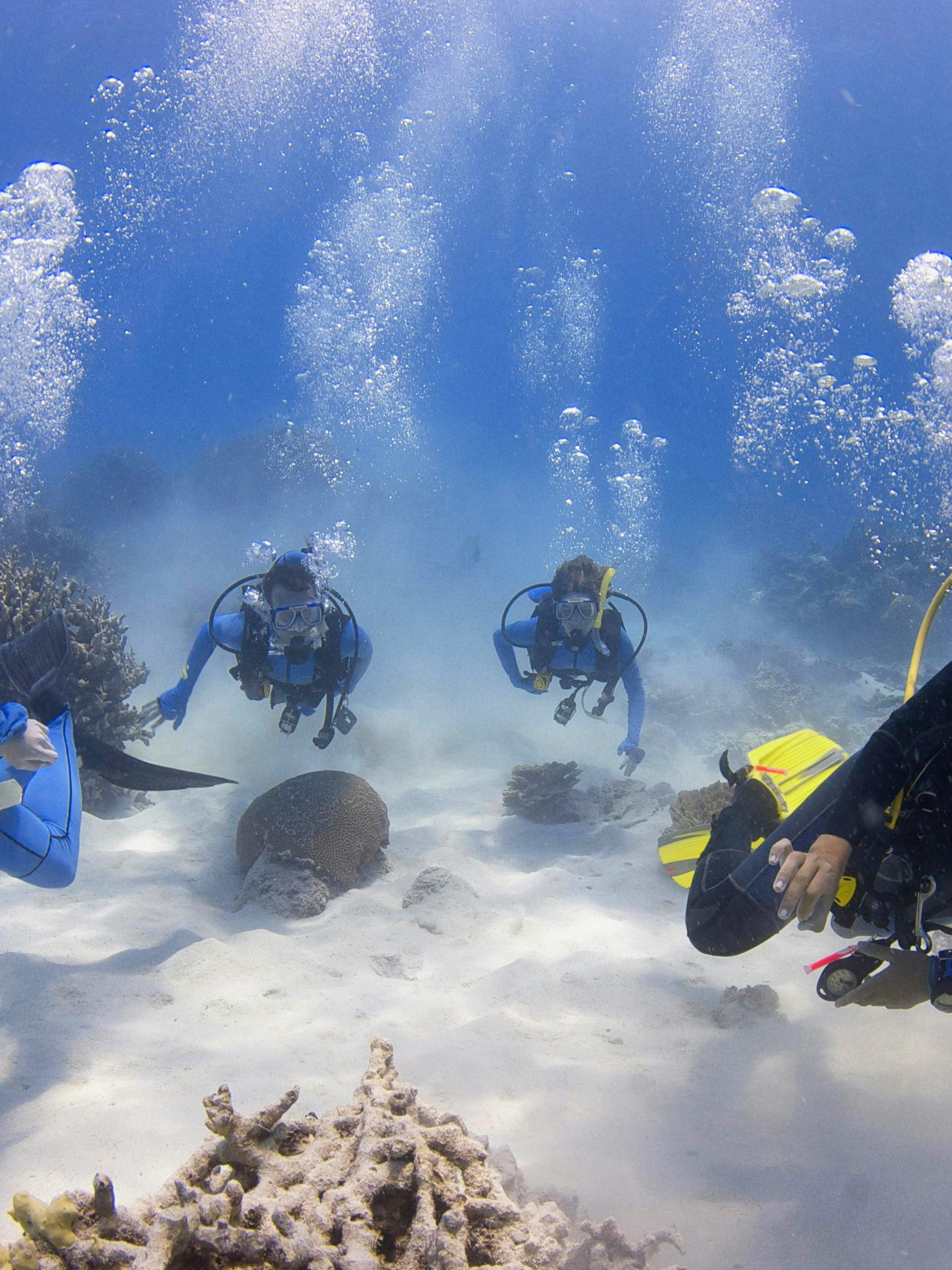
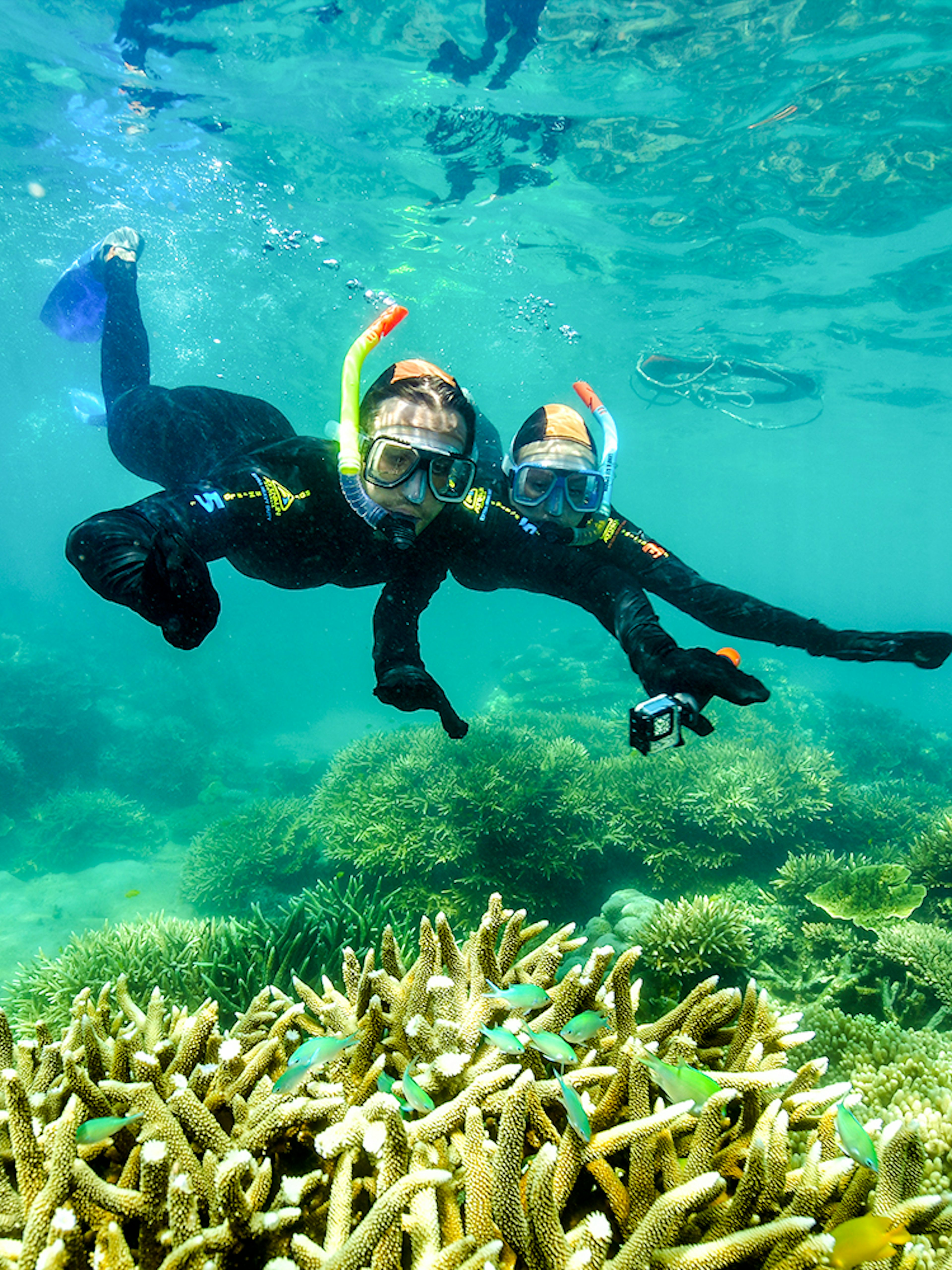
Drop below the surface and the reef unfolds in three dimensions: coral walls dropping into blue, swim-throughs cut with light, a reef shark gliding by like it owns the place (it does). And here's the part most people don't realize about scuba diving in the Great Barrier Reef: you don't need to be certified to do this. An introductory dive puts a total beginner underwater with an instructor right beside them. First-timers and log-book veterans both leave grinning. Scroll down to discover the best dive spots, what marine life you’ll encounter, and tips to make your adventure truly unforgettable.

5 reasons to make Great Barrier Reef your next scuba diving destination

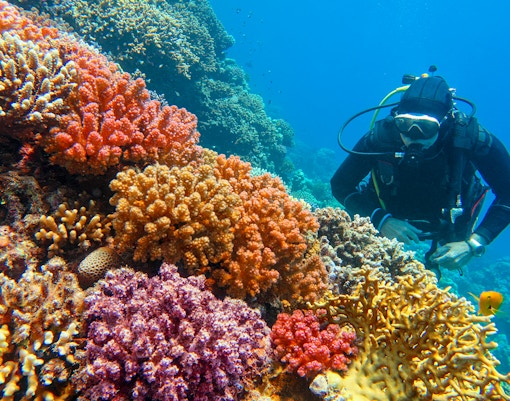
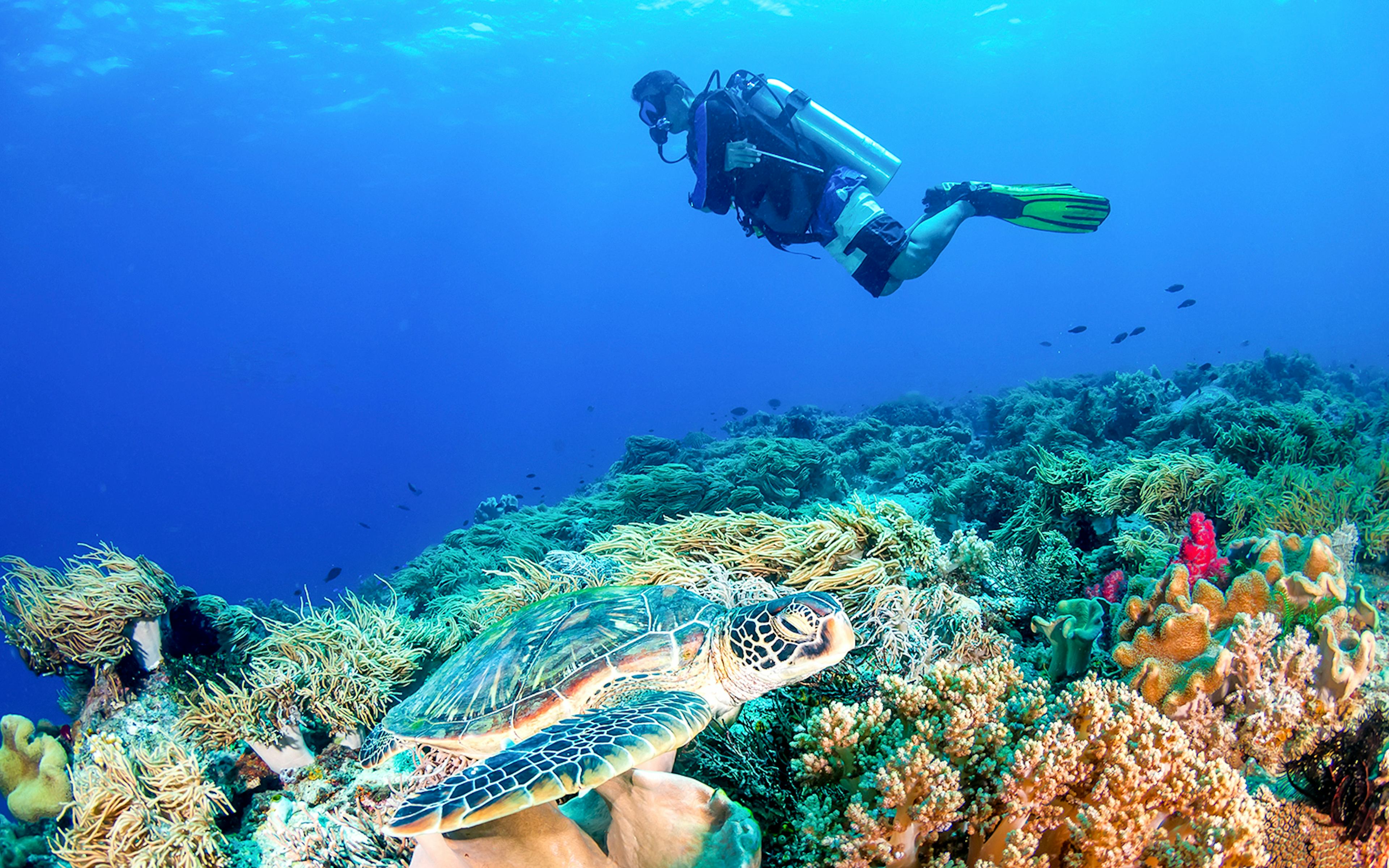
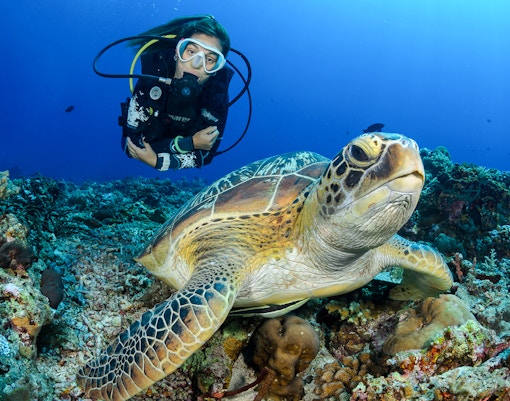
Diver exploring coral reef with sea turtle, Great Barrier Reef, Cairns sailing cruise.
1/5

Iconic dive sites

Explore world-famous locations like Agincourt Reef, Flynn Reef, and Norman Reef, each offering unique underwater landscapes, vibrant coral gardens, and dramatic drop-offs.

Convenient access

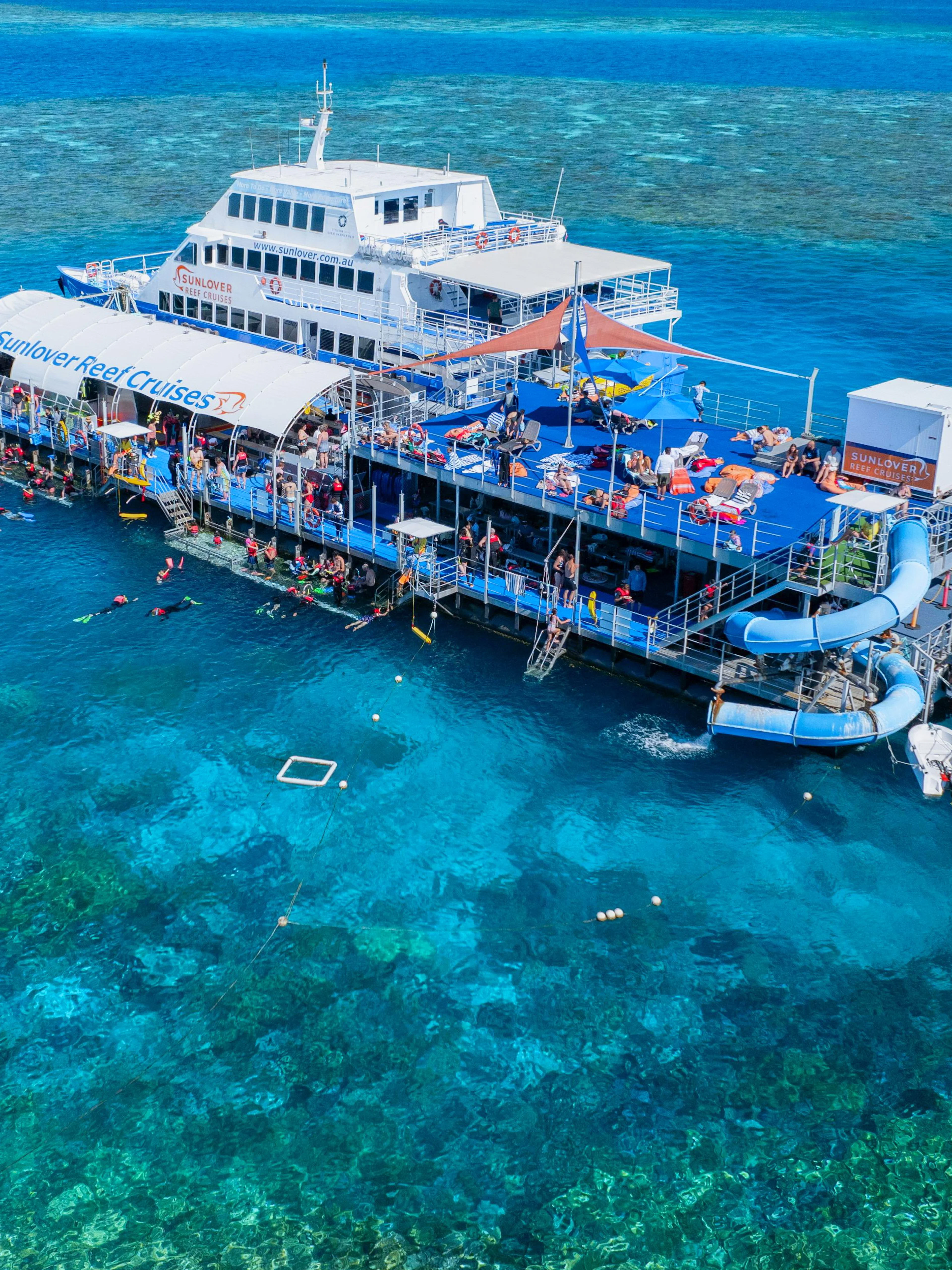
Depart directly from Cairns for full-day or multi-day tours with hotel transfers included, making it easy and hassle-free.

Expert-guided tours

Certified instructors and guides ensure safety, share local knowledge, and help you get the most out of your underwater adventure.

Incredible marine life

Home to 1,500+ fish species, 400 types of coral, and rare creatures like the pygmy goby, showcasing the reef’s incredible diversity.

Year-round accessibility

With favorable weather conditions and water temperatures ranging from 24°C to 30°C, the Great Barrier Reef is a year-round diving destination.

Compare every Great Barrier Reef scuba diving option

TourPrice fromBest forInclusionsDive options
Dreamtime: 2 Outer Reefs + Optional Dive

AU$255

Divers wanting choice + cultural insight

Gear, buffet lunch, Indigenous ranger talks, teas

Intro & certified · 2 outer reefs

Down Under: Outer Reef, 2 Reefs + BBQ

AU$275

A flexible snorkel-or-dive day

Transfers, gear, BBQ buffet, 2 outer reef sites

Snorkel or dive · 2 outer reefs

Divers Den: 3 Outer Reefs — Norman, Saxon, Hastings

AU$275

Chasing the most reef variety

Lunch, expert guides at 3 sites

Guided snorkel · dive available · 3 reefs

Ocean Free: Green Island + Outer Reef Sailing Cruise

AU$289

Small-group intro divers & couples

6-hr sail, buffet, drift snorkel, 2:1 intro dives

Intro dive (2:1) · outer reef

Superyacht Full Day + Scenic Heli-Flight

AU$440

A luxury dive splurge

Superyacht, gourmet BBQ + wine, 10-min heli, guided dive

Intro & certified · 2 reefs

Everything to know about your Great Barrier Reef diving experience

Good to know before you dive
  • No experience? No problem. Intro dives are built for complete beginners, this is the most common "first dive ever" on the reef.
  • Health check. You'll complete a short medical questionnaire; some conditions need a doctor's sign-off, so read it in advance.
  • Certified? Bring your card and logbook, and note when you last dived.
  • Flying home? Leave 18–24 hours between your last dive and your flight.

Top diving sites at Great Barrier Reef

Marine life you’ll see during your dive

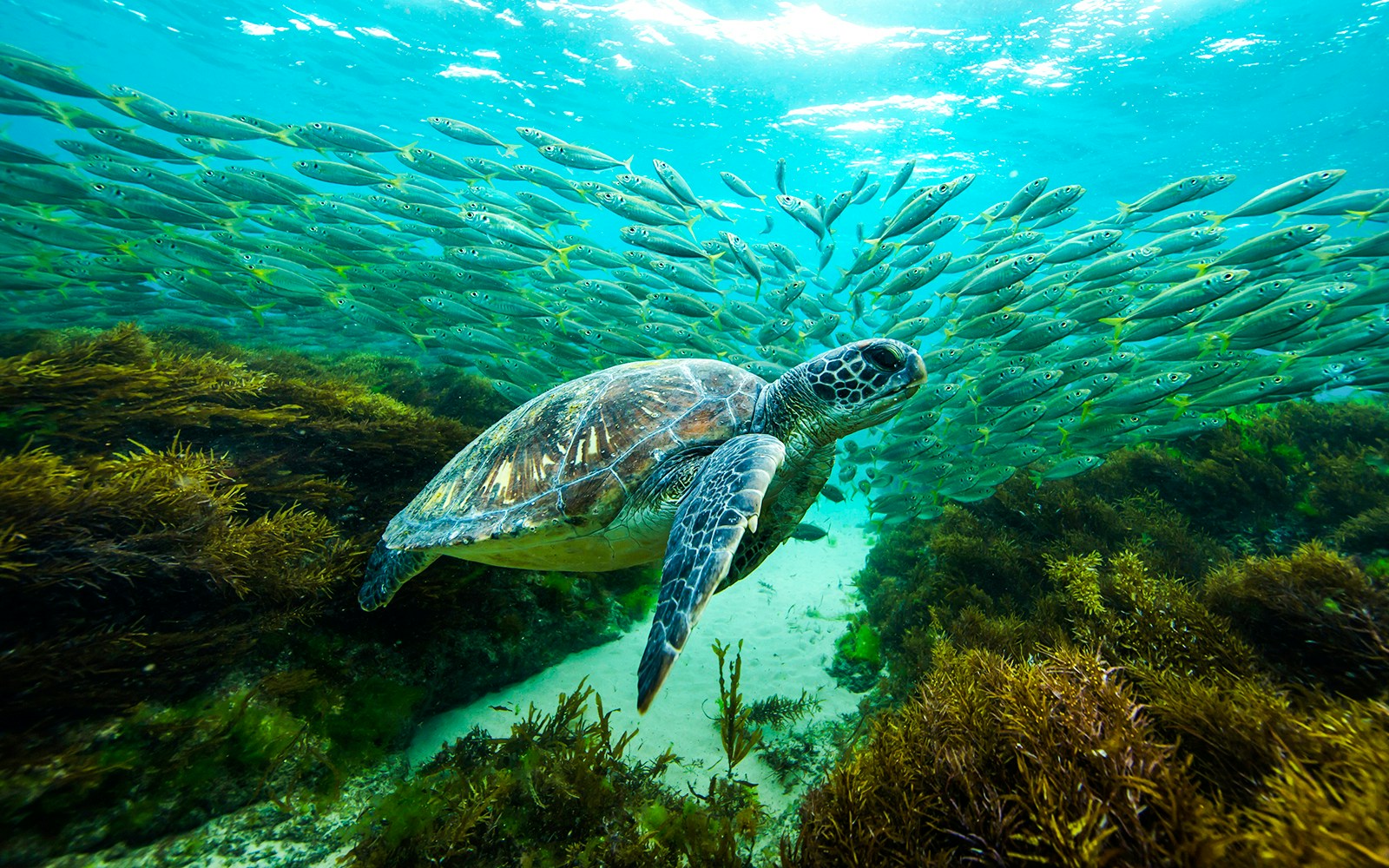
Green sea turtle swimming with fish at Great Barrier Reef, Lady Elliot Island.

Sea turtles

Green turtles and hawksbill turtles glide gracefully among coral reefs, often seen feeding on seagrass or resting on the reef, adding a serene charm to every dive.

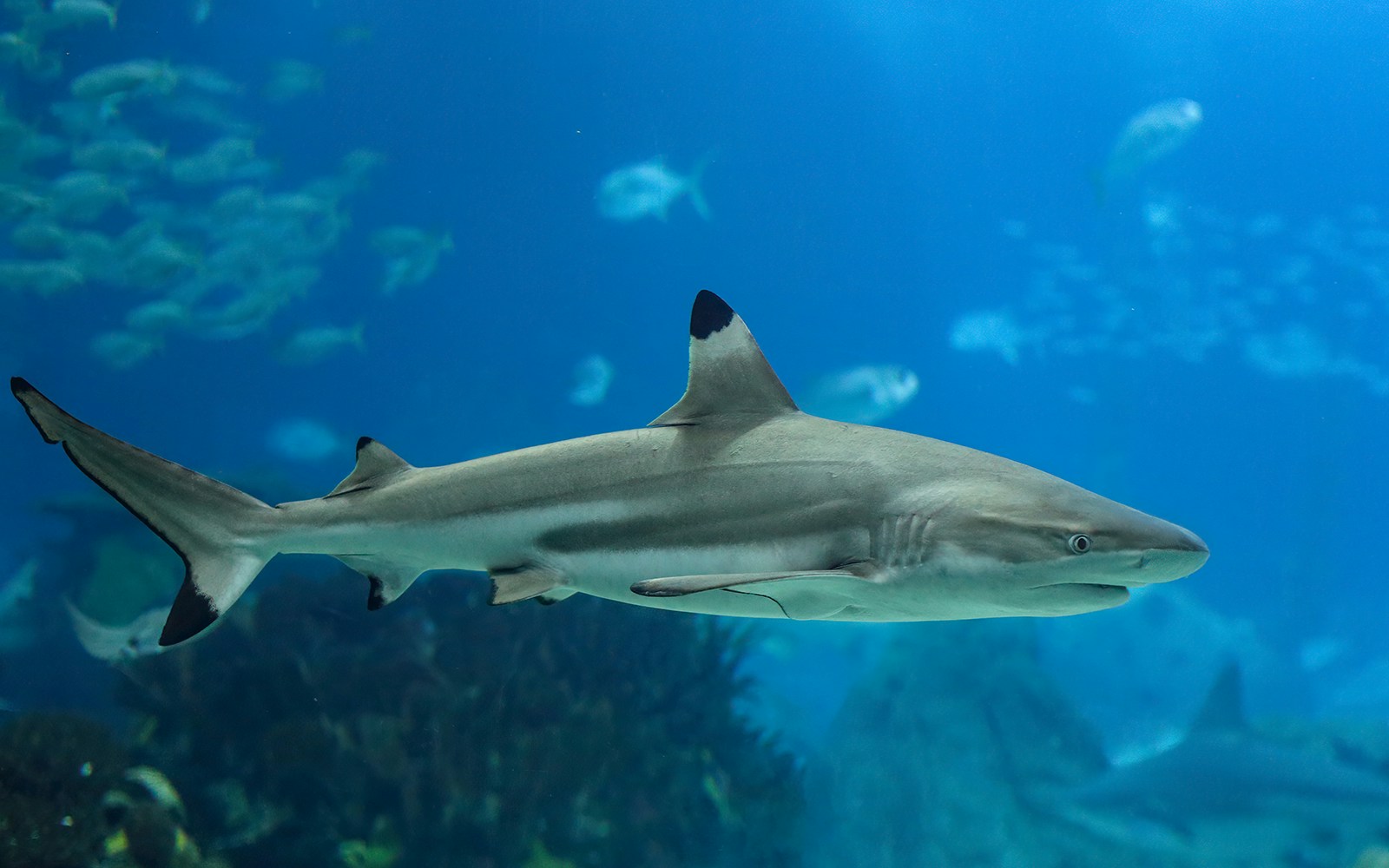
Shark swimming at Clearwater Aquarium exhibit.
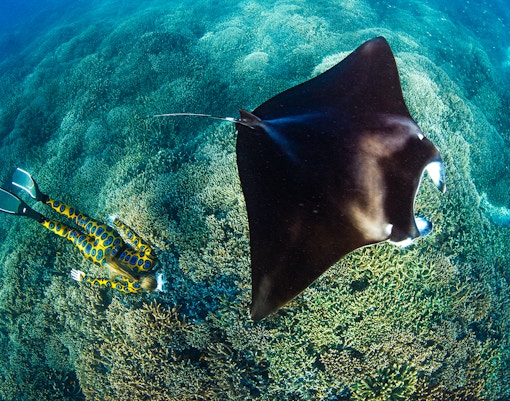
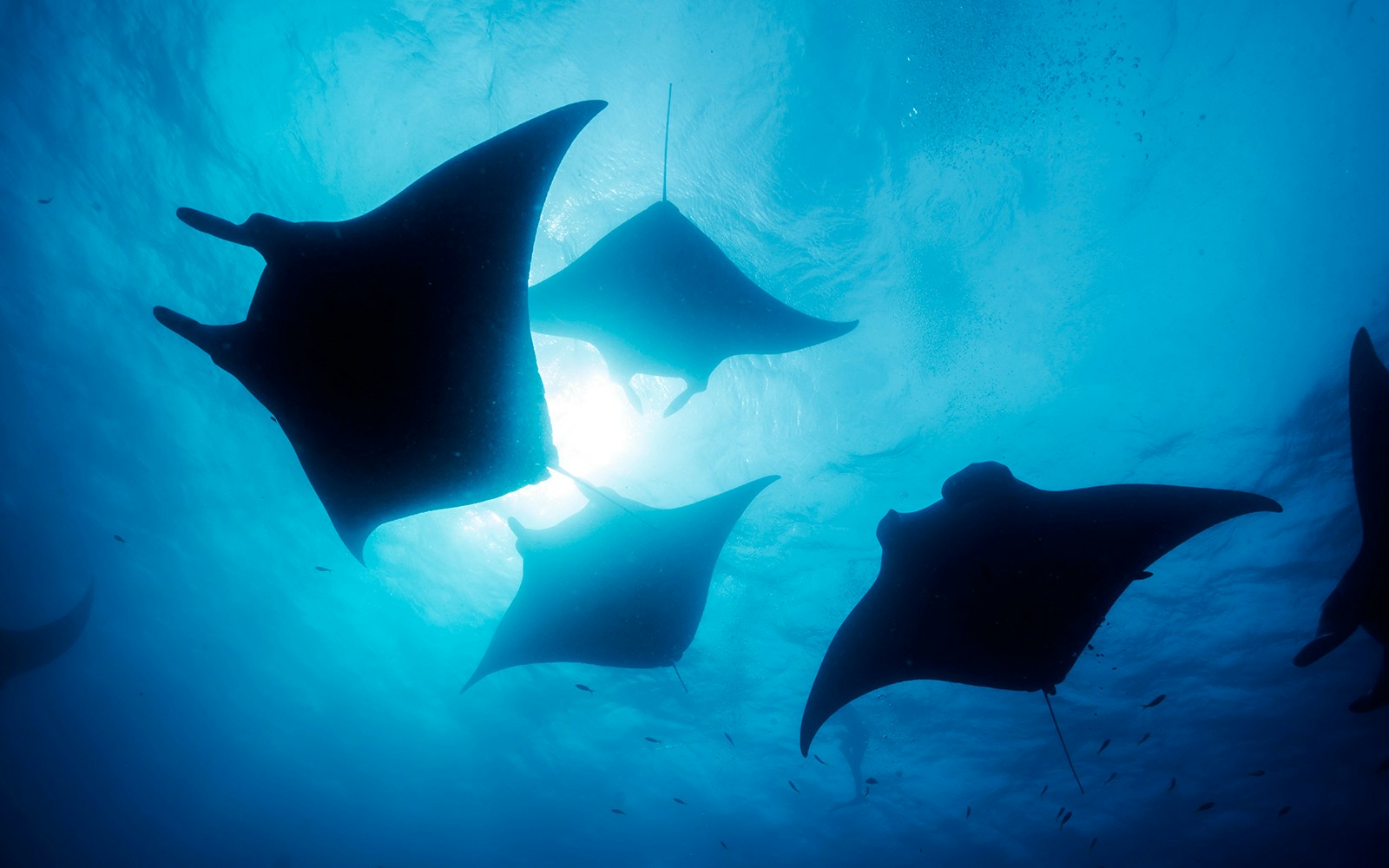
Manta rays swimming underwater in a sunlit ocean.
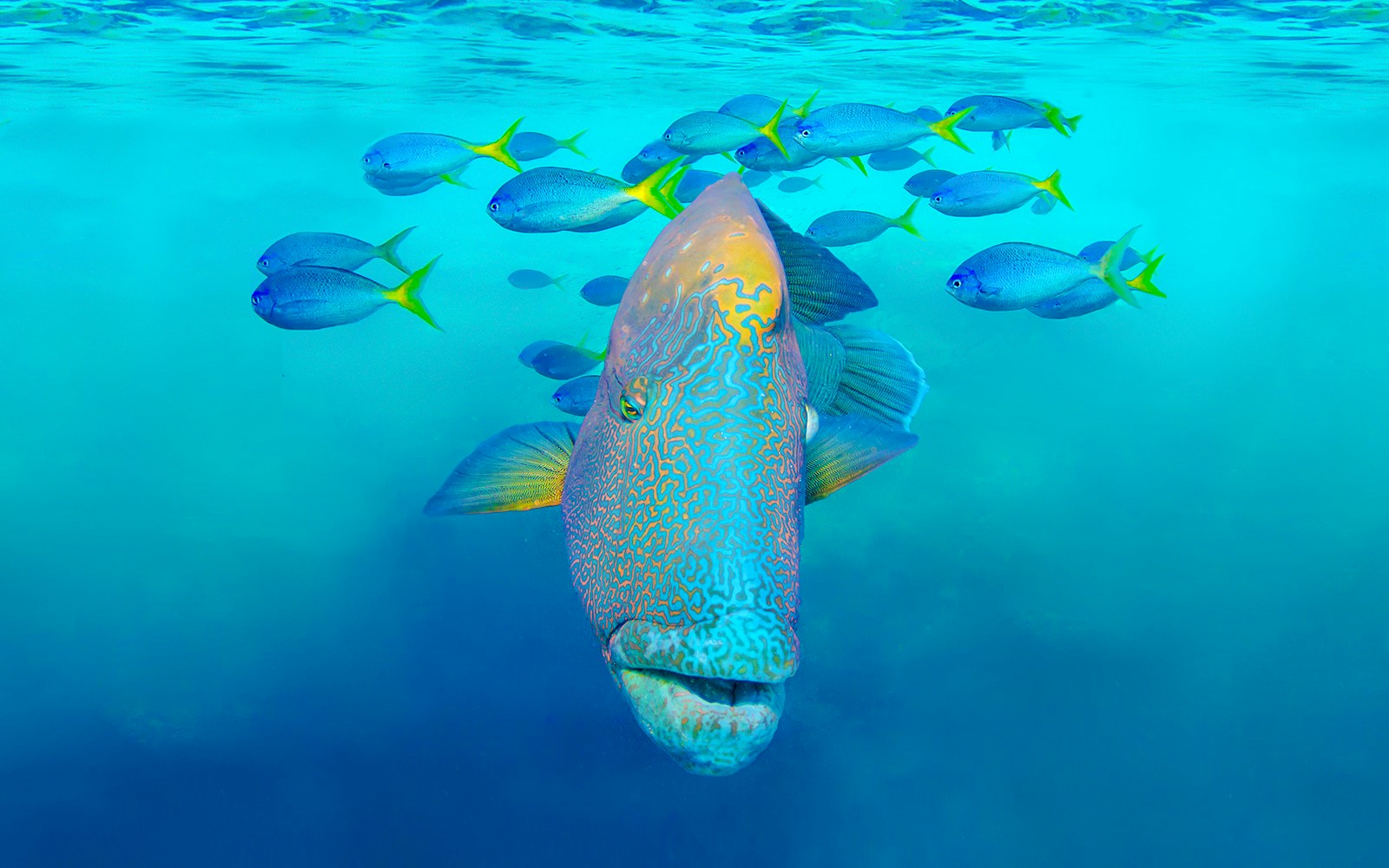
Humphead Wrasse swimming with fish, Great Barrier Reef, Whitsundays.
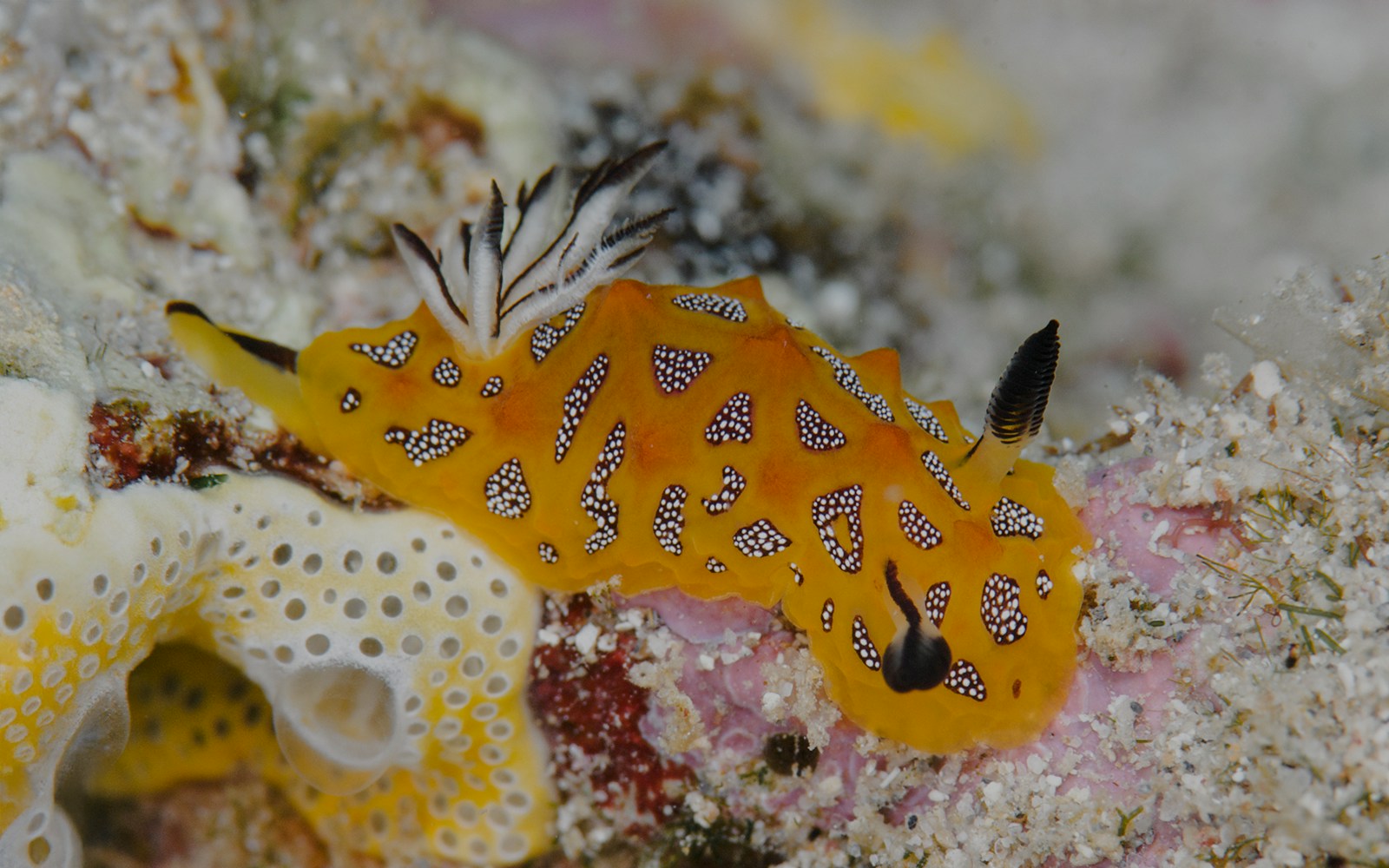
Nudibranch on coral in Great Barrier Reef, Australia.

Plan your diving tour

Key tips for diving at Great Barrier Reef

  • Choose the right dive option: Beginners should opt for introductory dives with certified instructors. Certified divers can access deeper sites like Agincourt or Norman Reef. Know your skill level to maximize safety and enjoyment.
  • Maintain neutral buoyancy: Controlling your buoyancy prevents accidental contact with delicate corals, keeps you safe, and allows better viewing of marine life.
  • Monitor air supply & depth: Regularly check your tank pressure and depth gauge. Ascend slowly, follow your guide, and never push beyond your comfort or certification limits.
  • Plan your surface intervals: Use breaks wisely between dives to rest, hydrate, and prepare for the next dive. Avoid strenuous activity immediately after diving.
  • Observe dive fags & markers: These indicate safe swimming zones and guide boats. Always respect them to avoid accidents and protect marine life.

Frequently asked questions about Great Barrier Reef scuba diving tours

No. Many tours offer supervised intro dives with no certification required.

Continue planning your reef journey