The Great Barrier Reef: What It Is, Size, Age & How It Formed

The Great Barrier Reef is the world's largest coral reef system: a living structure of more than 2,900 reefs and 900 islands stretching over 2,300 km along the coast of Queensland, in north-east Australia, and covering around 344,400 km² (bigger than Italy). It's the only living thing on Earth large enough to be seen clearly from space, a UNESCO World Heritage Site, and home to over 9,000 marine species. But it's more than a set of statistics; it's a living timeline half a million years in the making, shaped by geology, biology and one of the world's oldest living cultures. Here's what it is, how old it is, and how it came to be.

How was the Great Barrier Reef formed?

The reef grew as coral polyps built limestone skeletons on Australia's continental shelf over hundreds of thousands of years. The living reef you see today is only about 6,000–8,000 years old; it grew after the last Ice Age, when melting glaciers raised sea levels and flooded the shelf, letting coral recolonise it. The platform beneath it is over 600,000 years old.

Timeline of the Great Barrier Reef’s evolution

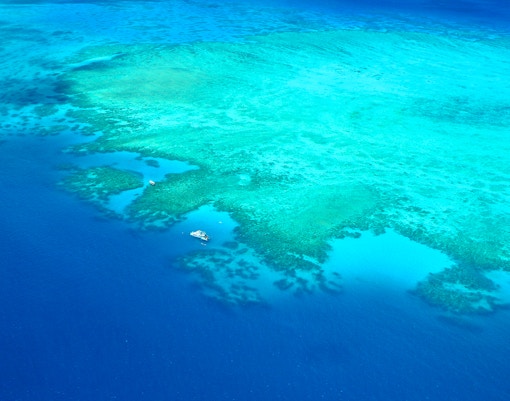
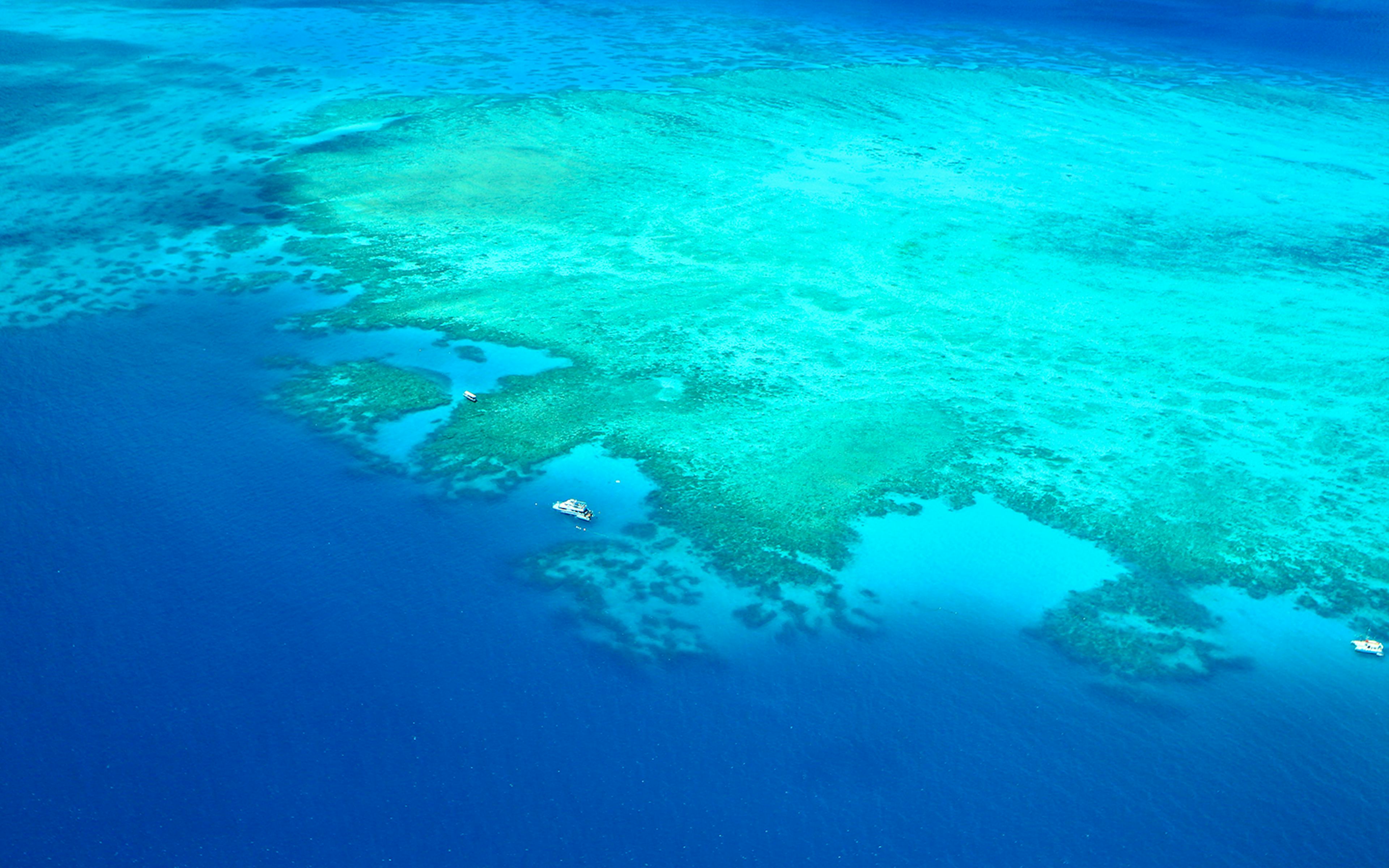
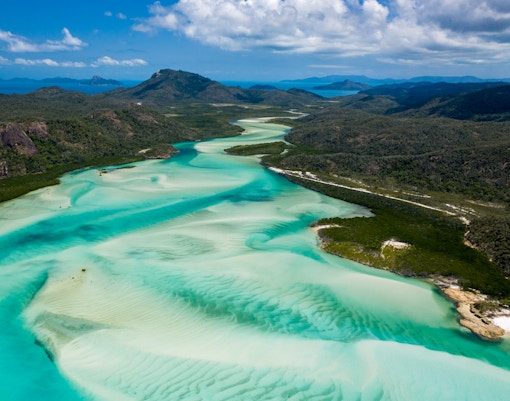
Aerial view of the Great Barrier Reef's vibrant coral formations in clear blue waters.
1/5

600,000+ years ago: Ancient beginnings

The reef platform took shape during the Pleistocene Epoch, as shifting sea levels over millennia caused earlier reefs to form, die, and reform, layering into the reef base we see today.

20,000 years ago: Ice age exposure

During the last Ice Age, sea levels fell over 100 meters, exposing coral and killing many reefs. These ancient platforms hardened into limestone, now seen along the outer reef shelf.

8,000–6,000 years ago: Modern reef takes shape

As glaciers melted and seas rose, coral colonized the flooded shelf, forming the Great Barrier Reef and rapidly expanding across the continental margin.

65,000+ years: Indigenous cultural presence

Australia’s First Nations people, the reef’s Traditional Owners, have lived alongside it for tens of thousands of years, shaping Dreamtime stories, trade, and fishing.

1975 onward: Conservation era begins

The Great Barrier Reef Marine Park Authority (GBRMPA) manages and protects the reef, which was named a UNESCO World Heritage Site in 1981 for its natural and cultural significance.

How big is the Great Barrier Reef?

It stretches about 2,300 km, roughly the distance from London to Athens, and covers around 344,400 km², making it larger than Italy and about the size of Japan or Germany. It's made up of over 2,900 individual reefs and 900 islands along Queensland's continental shelf.

Indigenous connection to the Great Barrier Reef

The Great Barrier Reef is home to over 70 Traditional Owner groups, including Aboriginal and Torres Strait Islander peoples, whose 65,000+ years of knowledge are reflected in Dreamtime stories, navigation, and reef harvesting practices.

Key practices include:

  • Seasonal calendars based on animal behavior, tides, and moon phases

  • Totemic relationships with specific coral or marine species

  • Coral reef “maps” woven into songlines used for inter-island navigation

  • Sustainable practices like rotational harvesting and no-take zones

Today, Indigenous ranger programs work with scientists to co-manage reef zones, monitor ecosystems, and combine traditional knowledge with modern conservation.

Major moments in the reef’s human history

Indigenous reef traditions

Indigenous communities hold stories over 230 generations old, detailing reef formation, fishing areas, and sacred sites. Older than Western science, they still guide reef care today.

Why it matters: Indigenous ranger programs now play a major role in conservation.
1770: Captain Cook runs aground

Captain James Cook’s HMS Endeavour struck a reef near Cape Tribulation, limping to modern-day Cooktown, showing the reef’s treacherous navigation.

Why it matters: This event introduced Europeans to the reef but also marked the start of colonization.

1920s–1960s: Scientific discovery boom

Marine biologists and geologists, including Sir Maurice Yonge, mapped reef species, coral structures, and their role in the climate.

Why it matters: Their work laid the foundation for modern reef conservation.

1981: UNESCO World Heritage listing

The reef was declared a World Heritage Site for its “outstanding universal value” and is one of the few listed for both natural and cultural significance.

Why it matters: International protections and visibility increased significantly after this designation.

Frequently asked questions about the Great Barrier Reef

The current living reef is around 8,000 years old, but the underlying platform is over 500,000 years old.