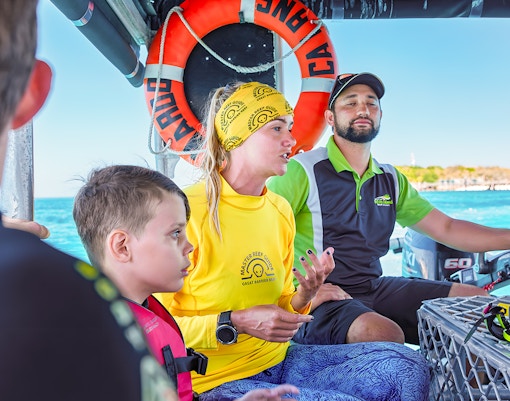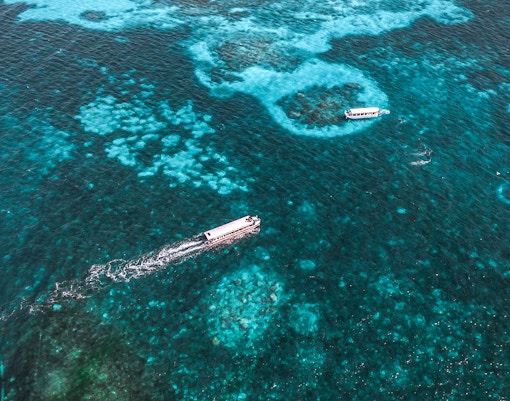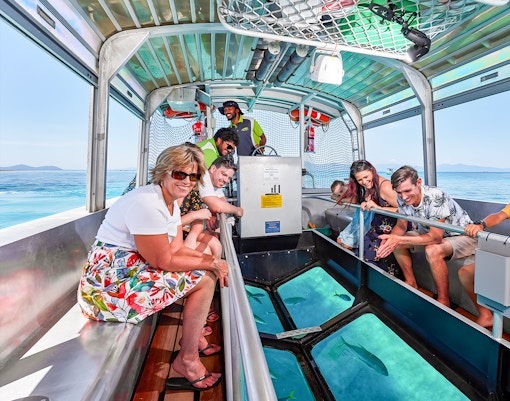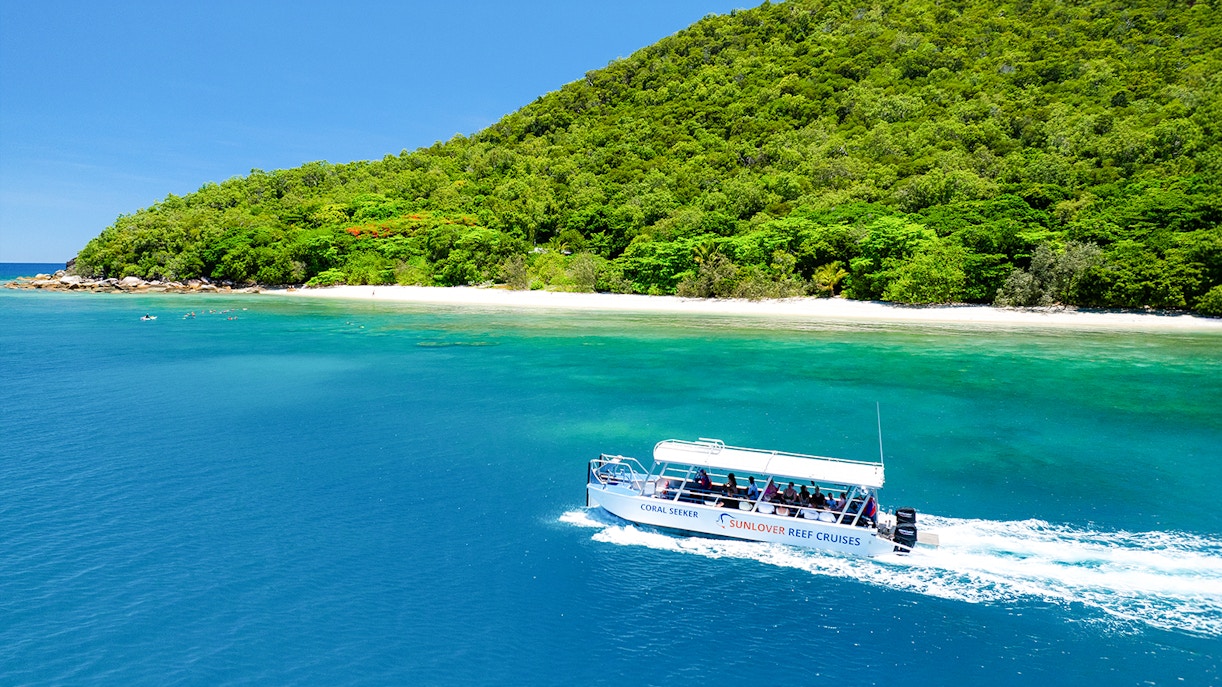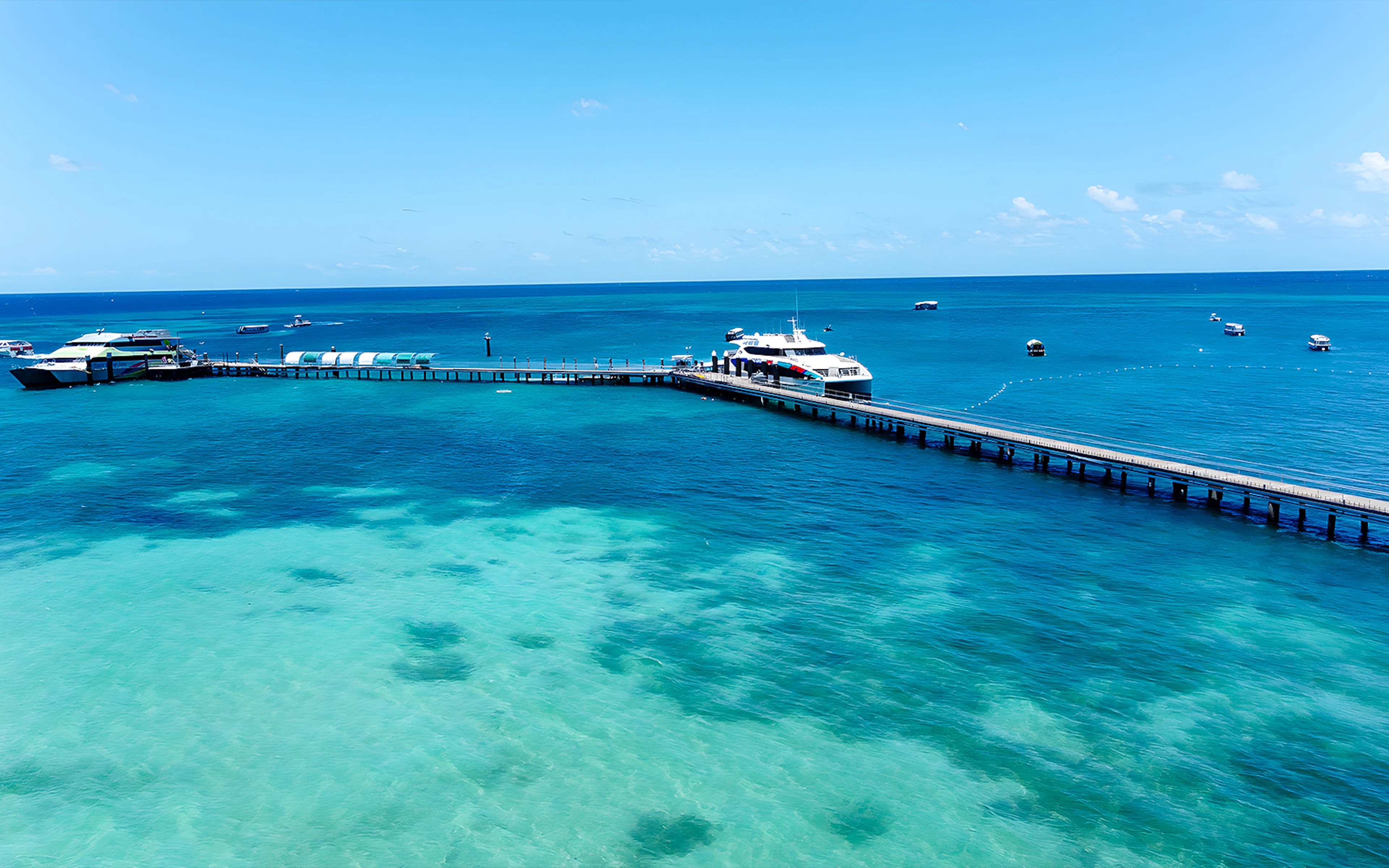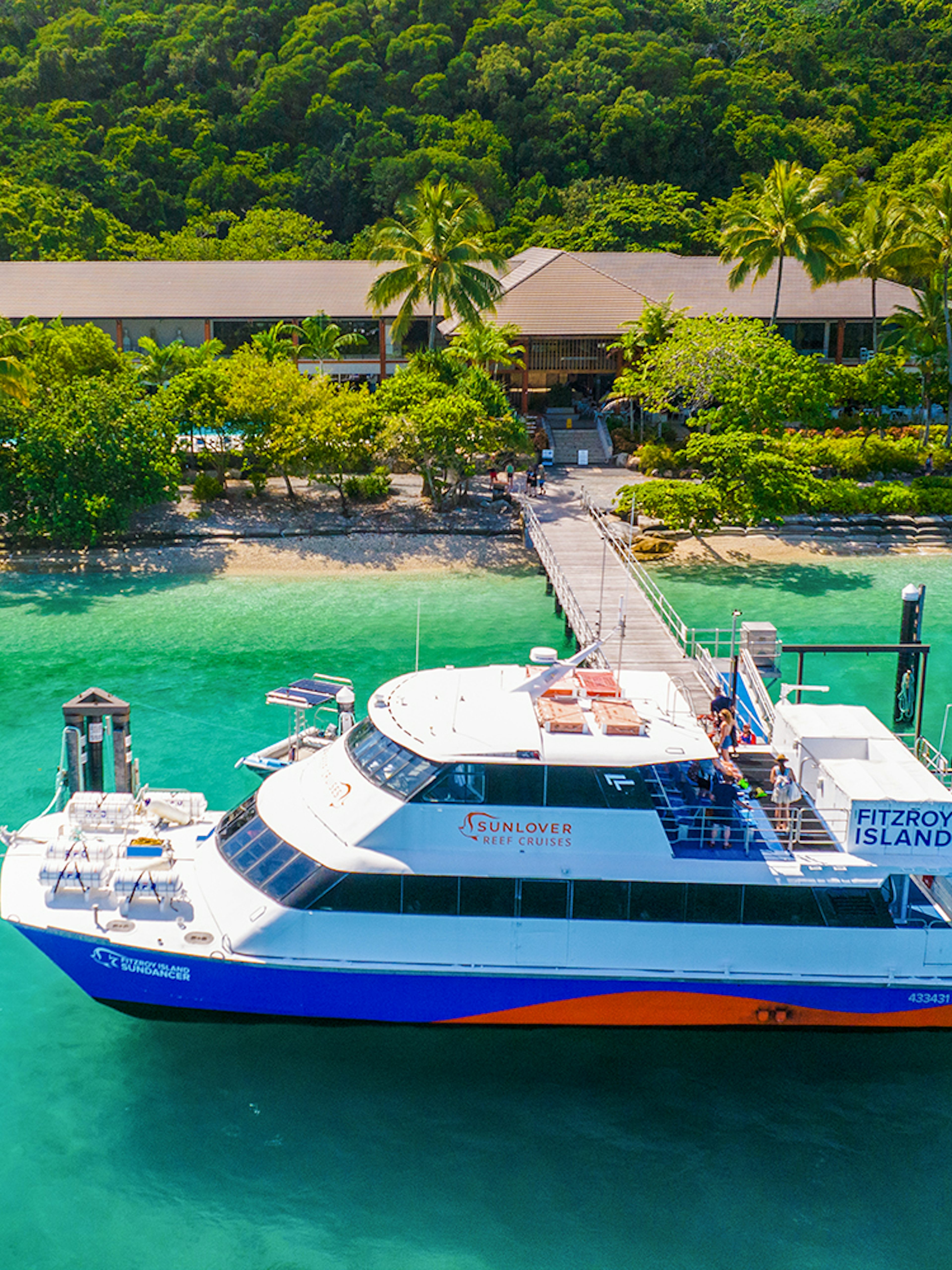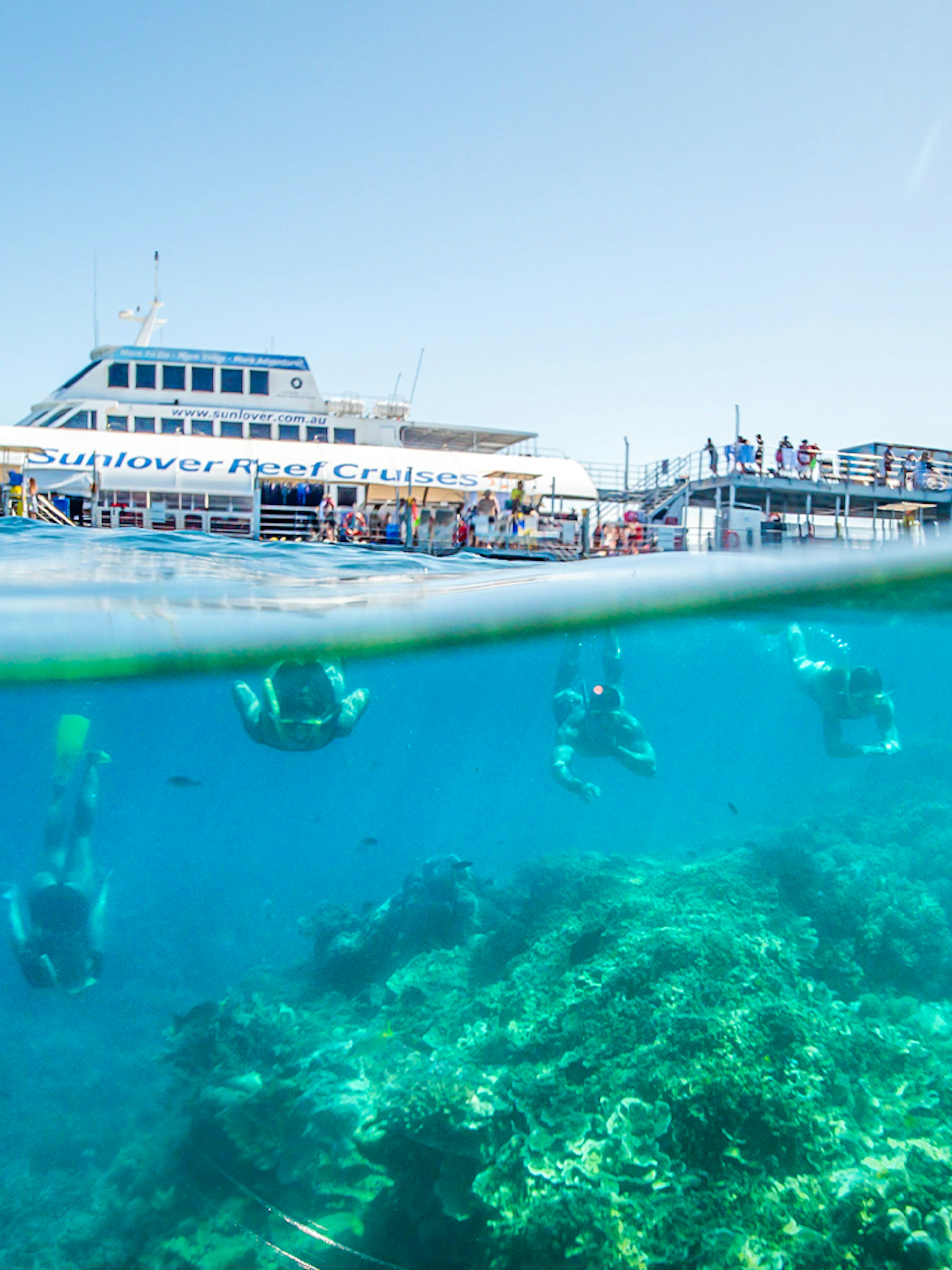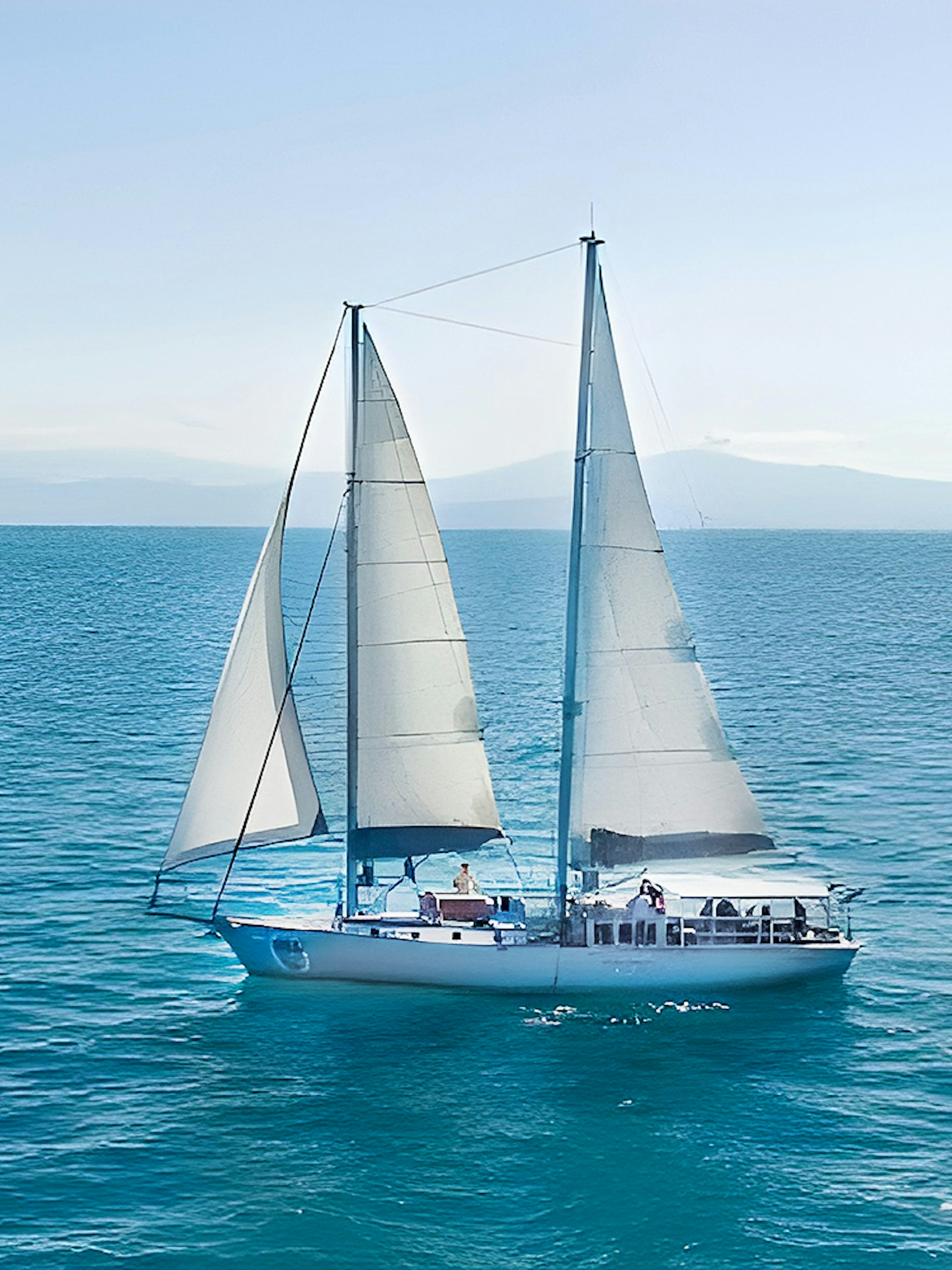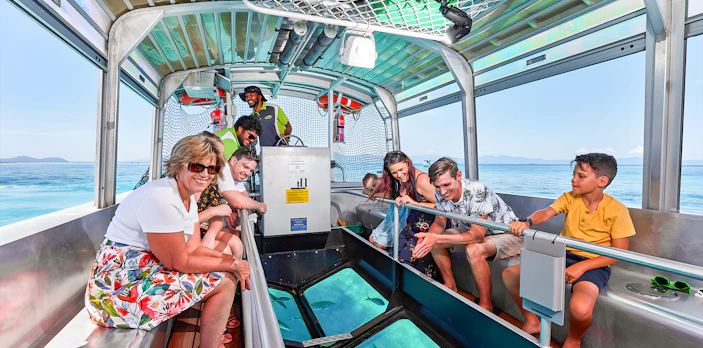
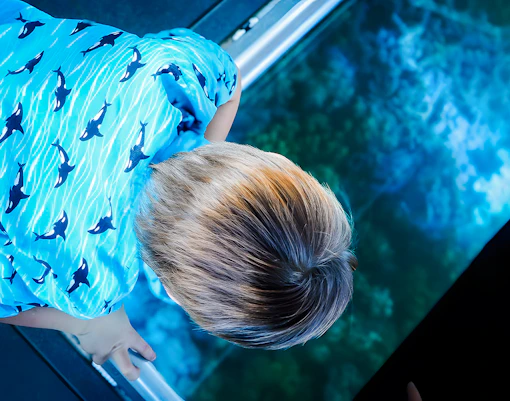
Show up, check in, step onto a stable, purpose-built vessel, no wetsuit, no fitting a mask, no getting in the water if you don't want to. The crew's safety briefing covers exactly what to expect, so there's no guesswork once you're on board.
Glass bottom boat tours: Making the Great Barrier Reef accessible to everyone
Wondering if you can see the Great Barrier Reef if you can't swim? A glass-bottom boat tour is the answer. Set off from Cairns and glide over coral gardens and marine life without ever entering the water, no snorkeling ability required. With shaded seating, clear underwater views, and easy access for all ages, it's a comfortable, memorable way for families, seniors, and non-swimmers to experience one of the world's greatest natural treasures.

Which glass-bottom boat tour should you choose?
Glass bottom boat on the Great Barrier Reef: Experiencing the reef without getting wet
Things to know before booking a Great Barrier Reef glass-bottom boat tour
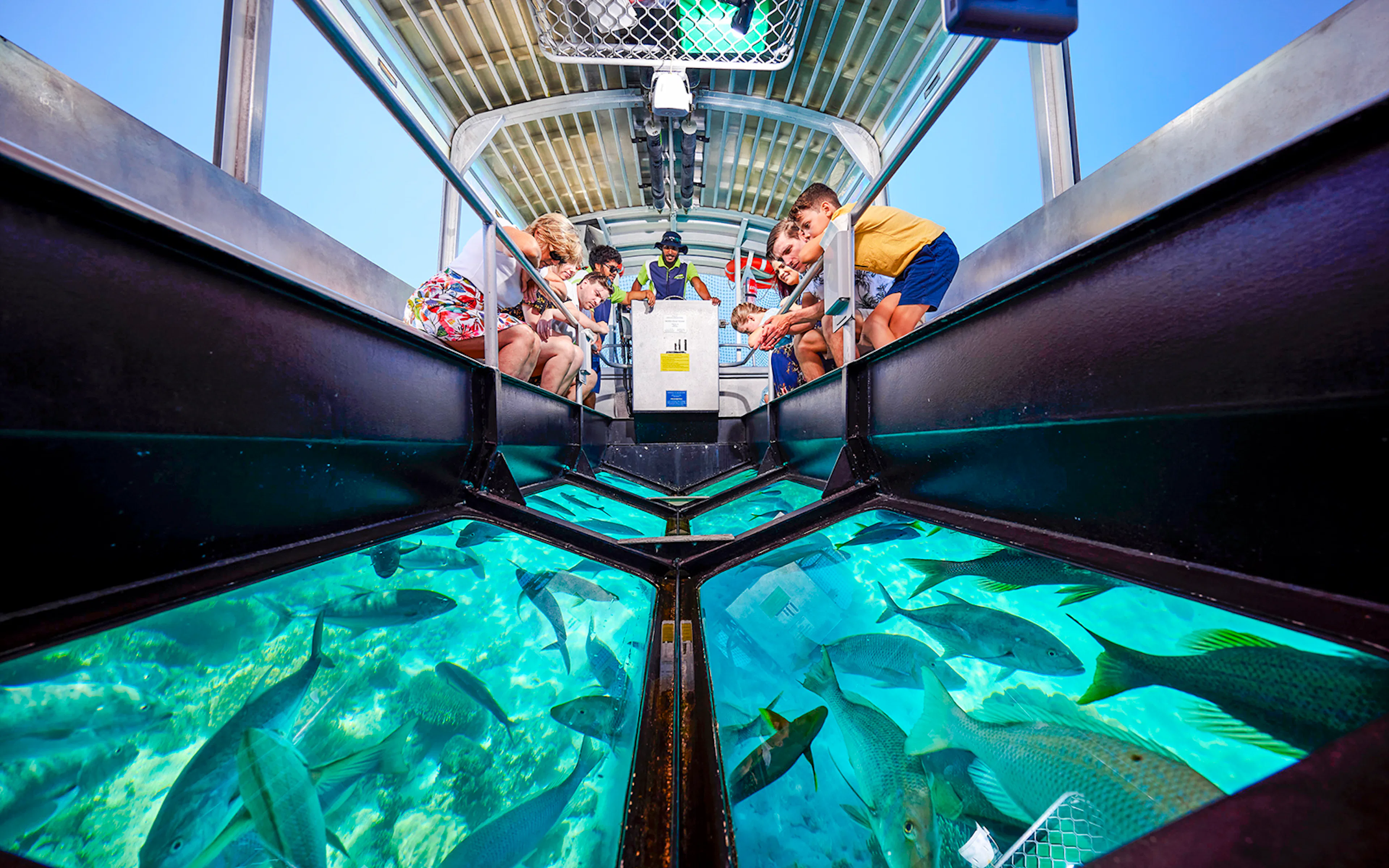
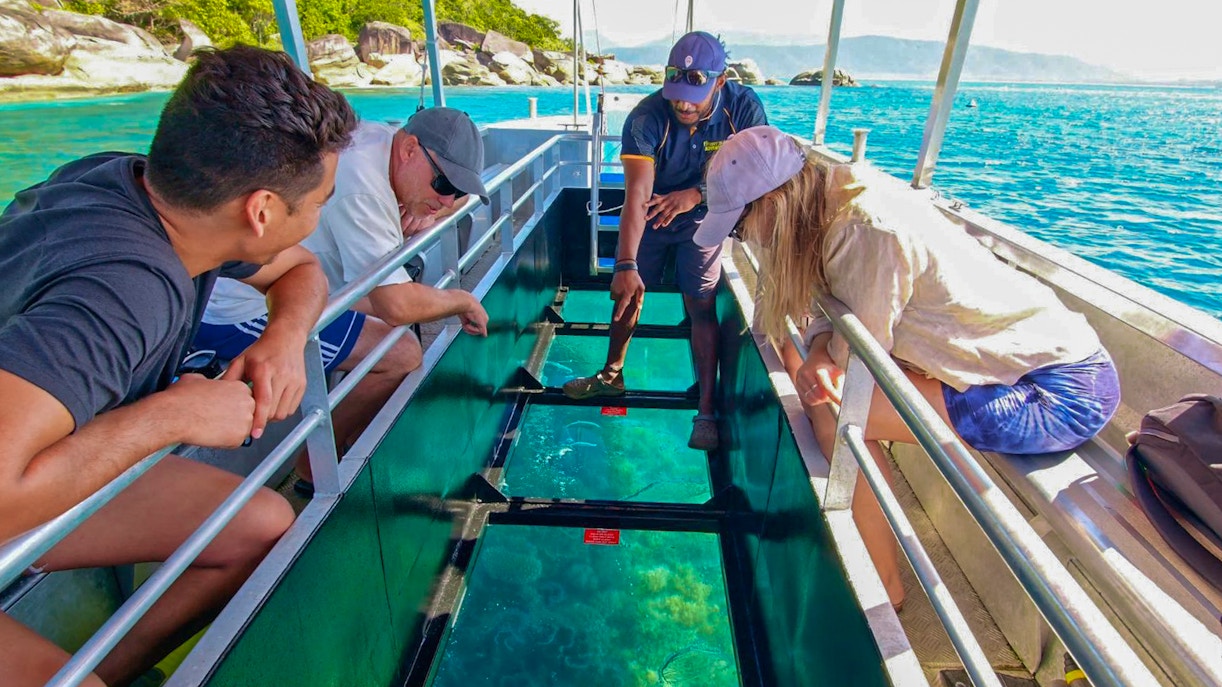
- What it actually is: A boat with a clear underwater viewing section in the hull, so you look down at coral and marine life through glass panels while staying completely dry.
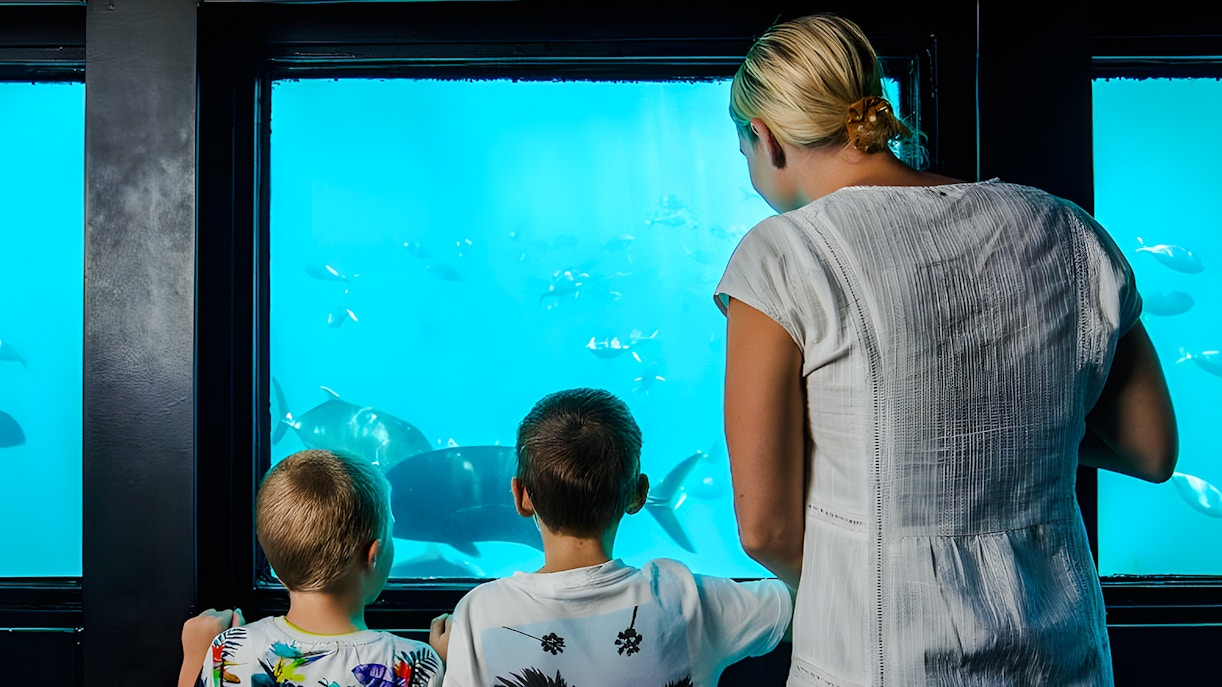
- Glass-bottom boat vs. semi-submersible: Glass-bottom boats are open-air; you look down from your seat. Semi-submersibles are enclosed, air-conditioned cabins with side windows, more like a submarine. Both are non-swimming options; several of our tours include access to one or both.
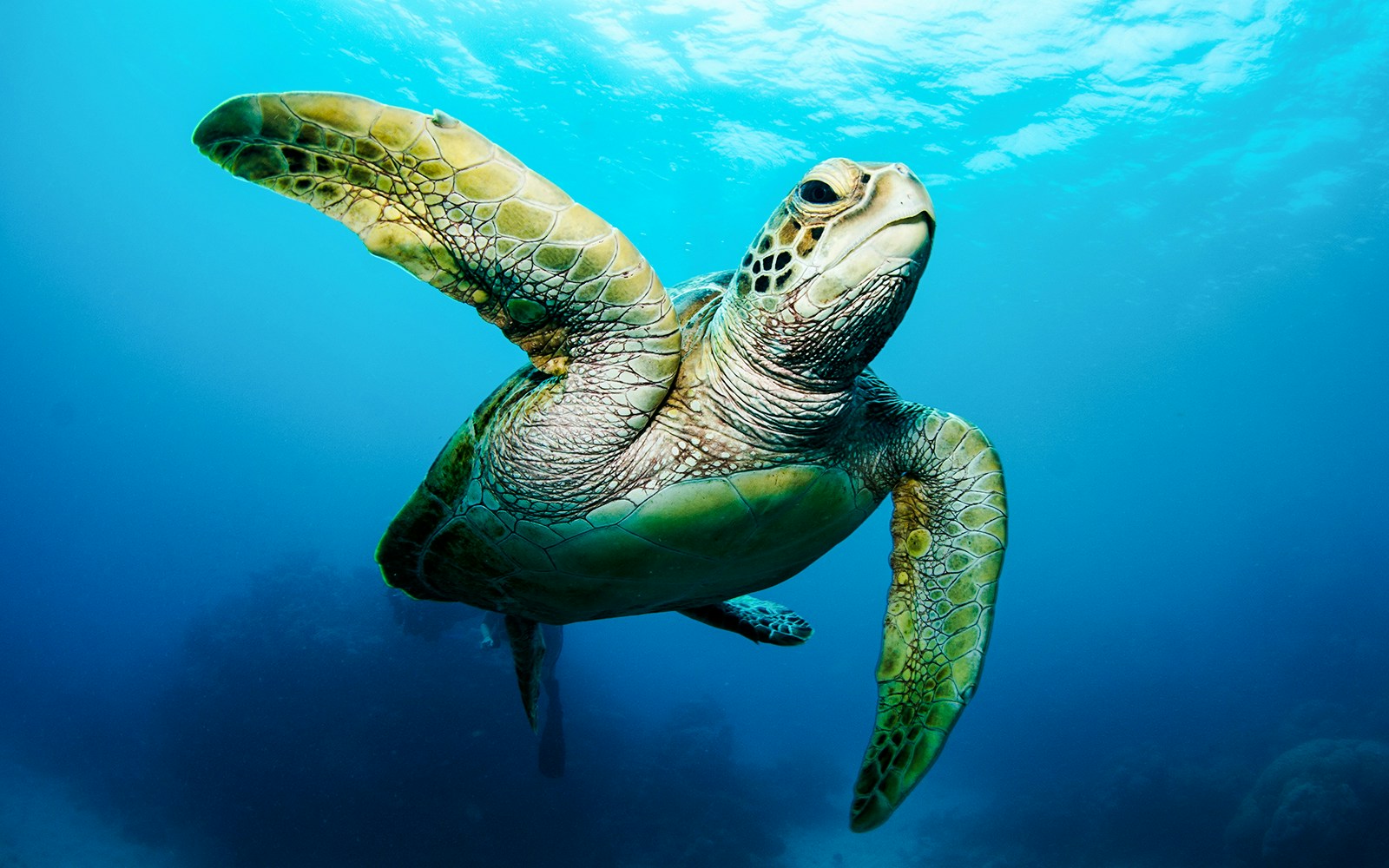
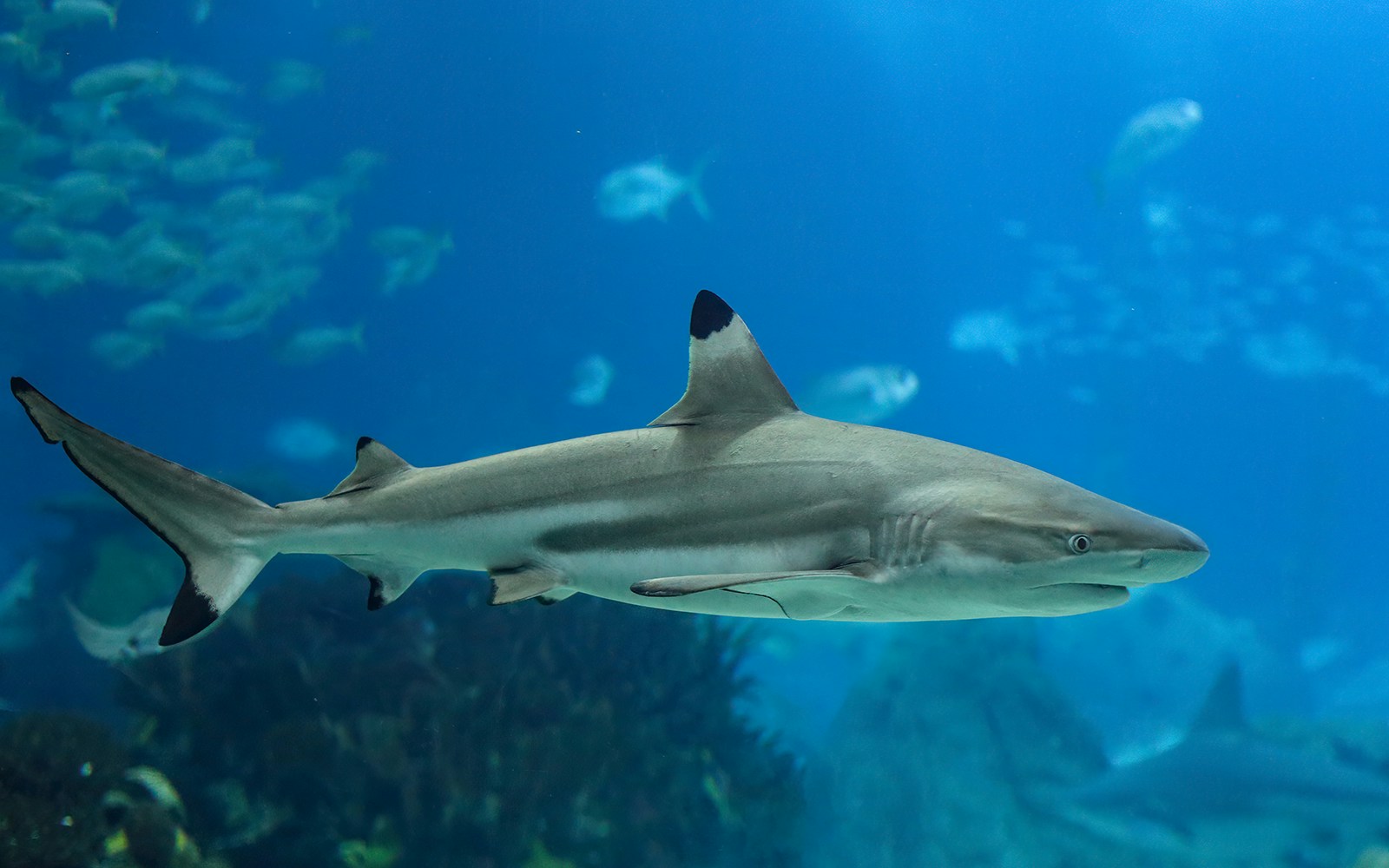
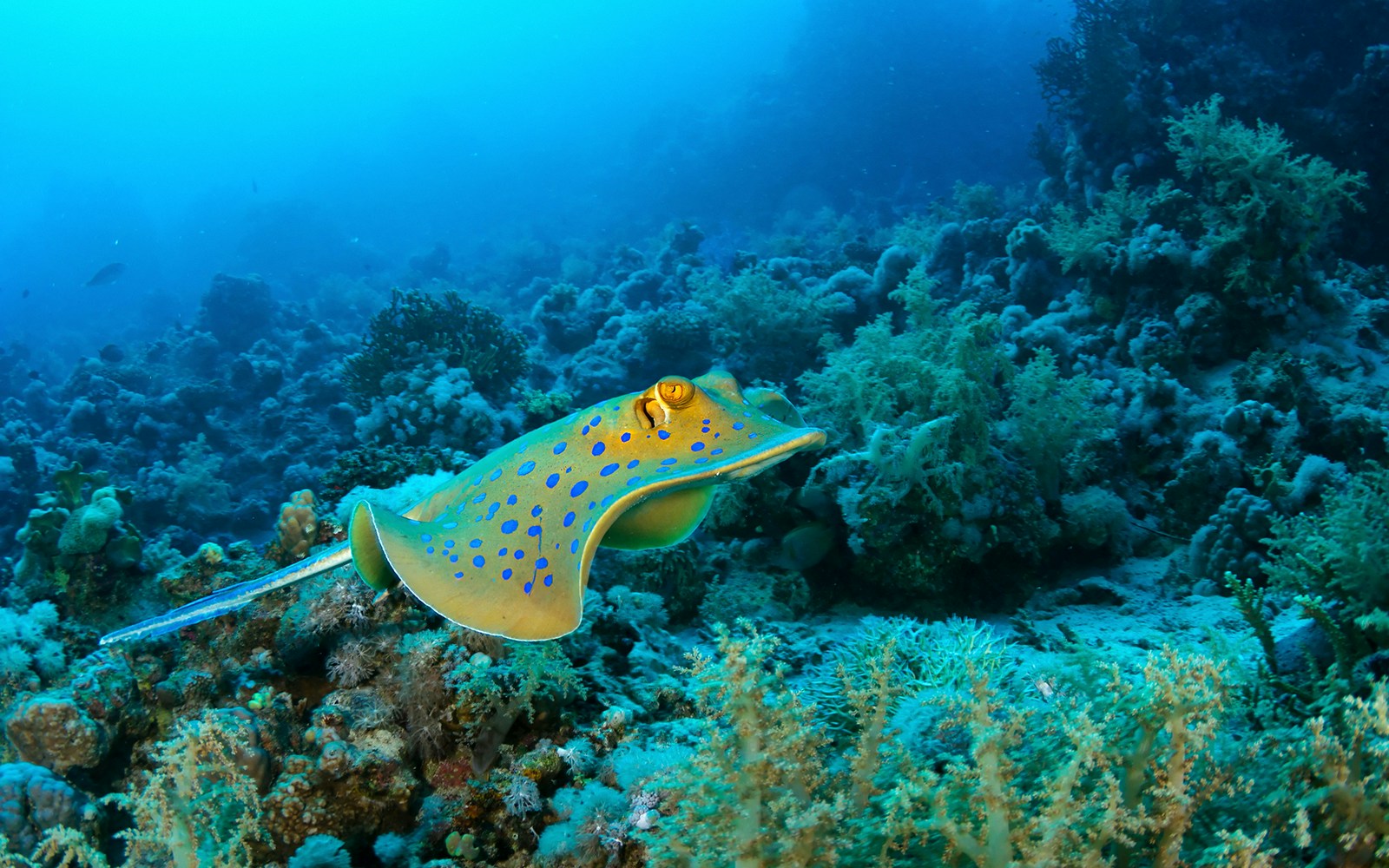
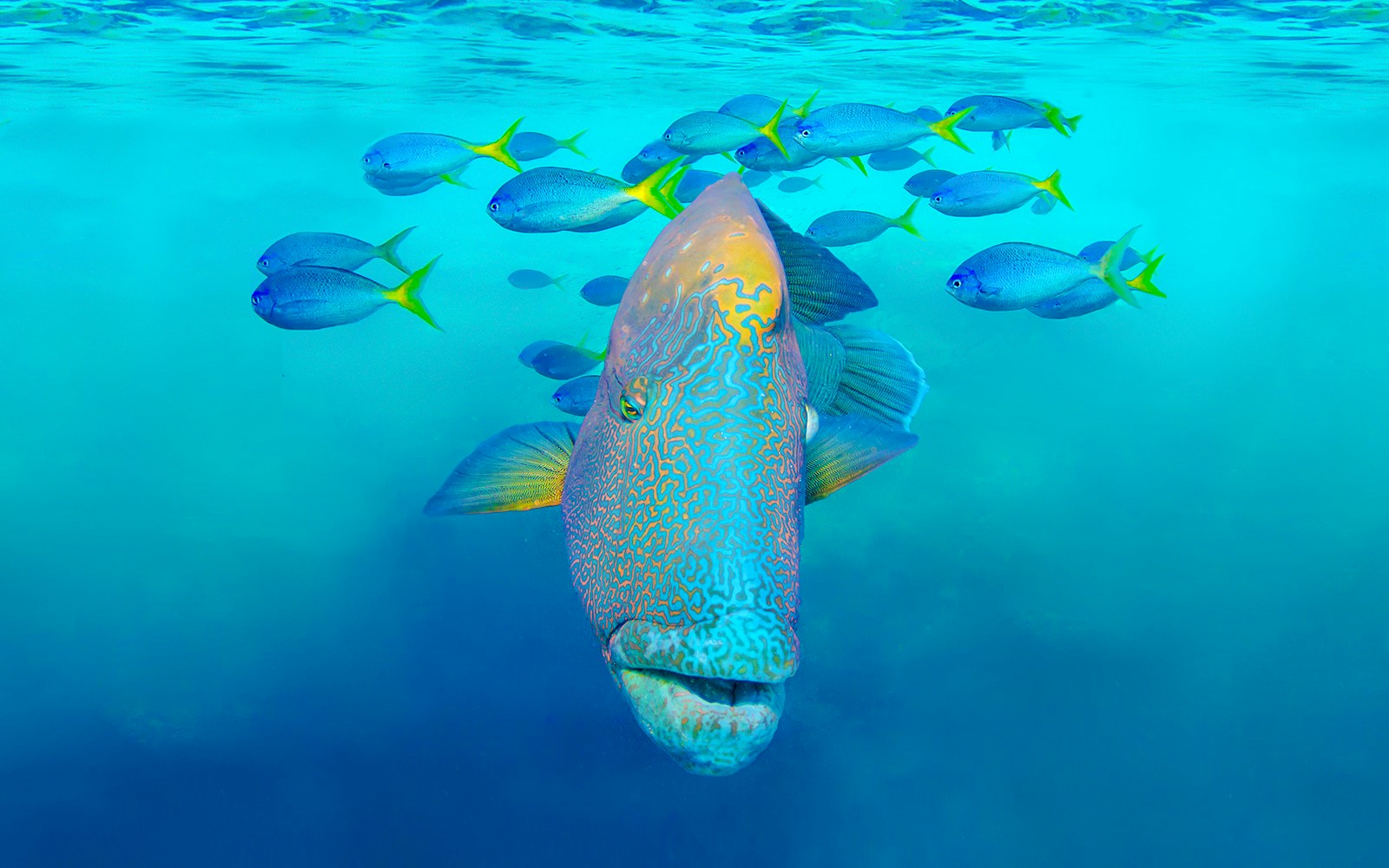
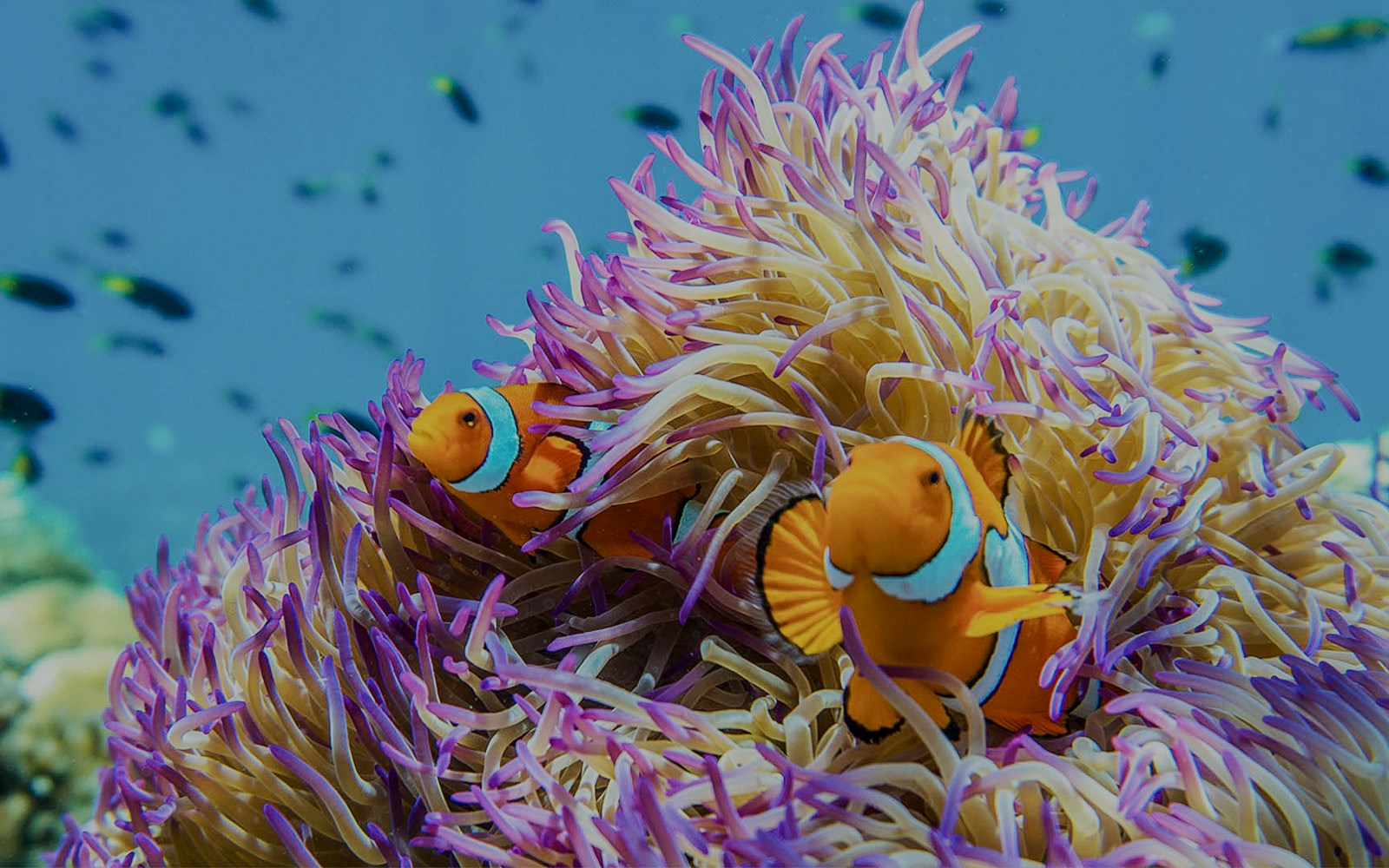
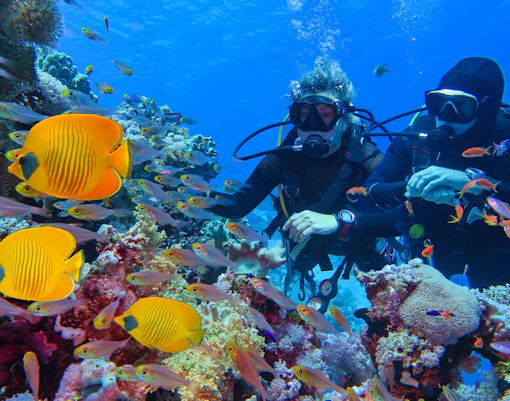
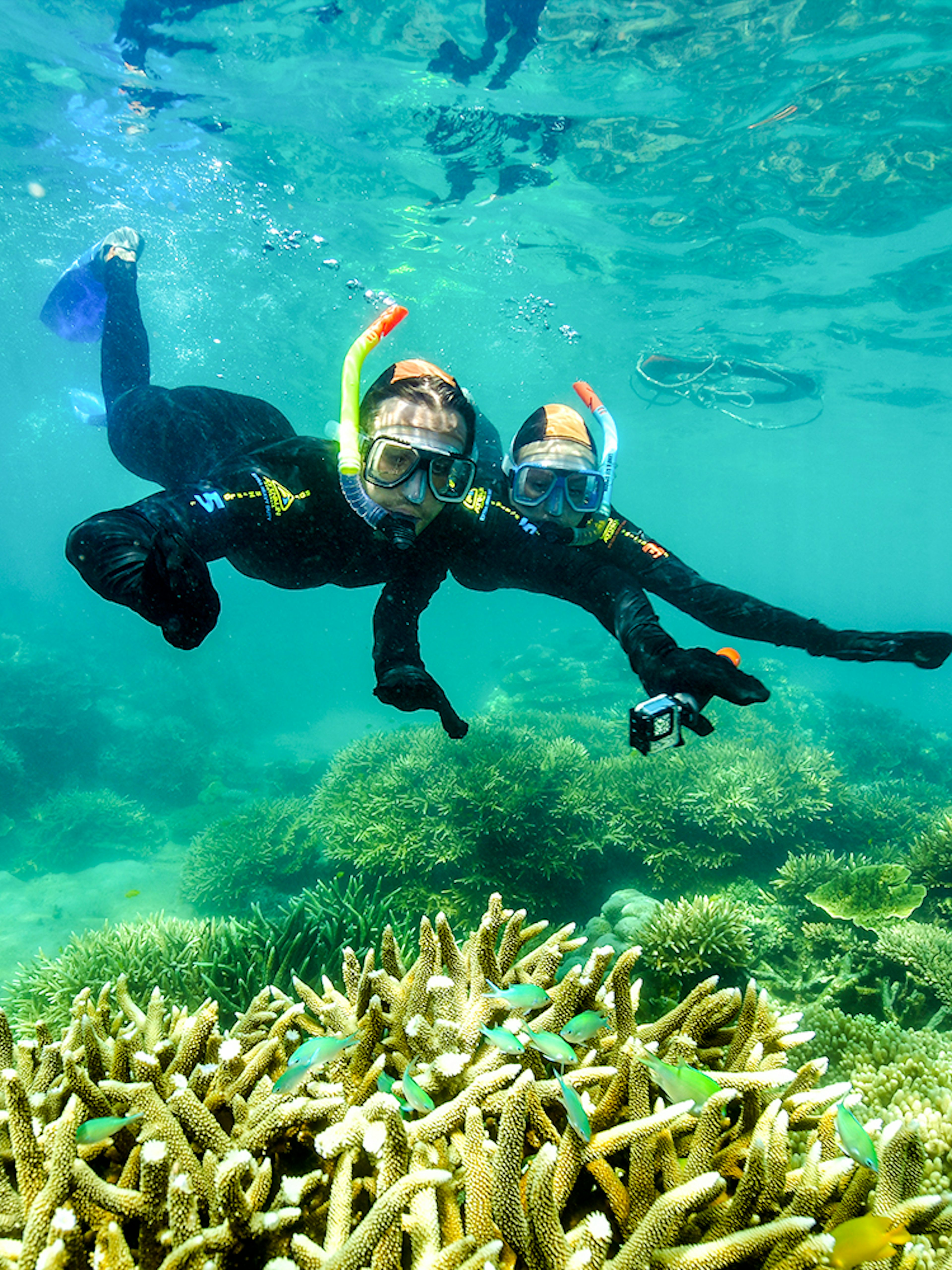
- What you'll typically see: Coral gardens, giant clams, reef fish, sea turtles, and reef sharks are common sightings, though what you see on the day depends on the site and conditions.
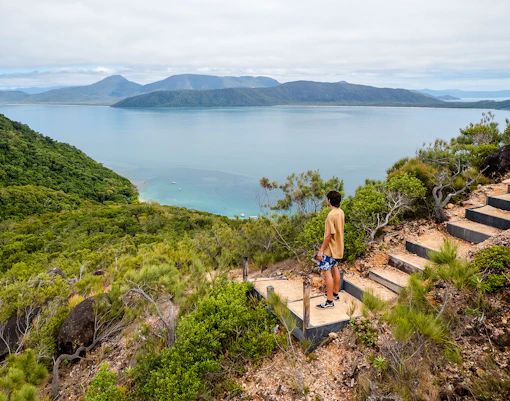
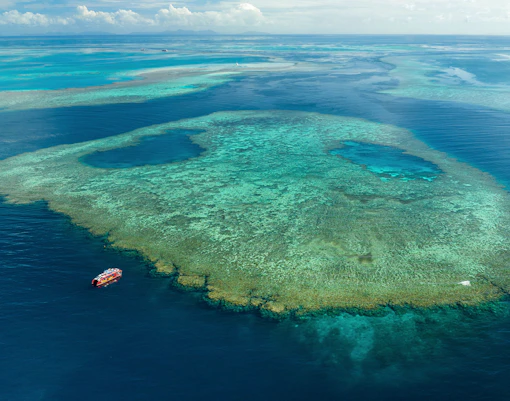
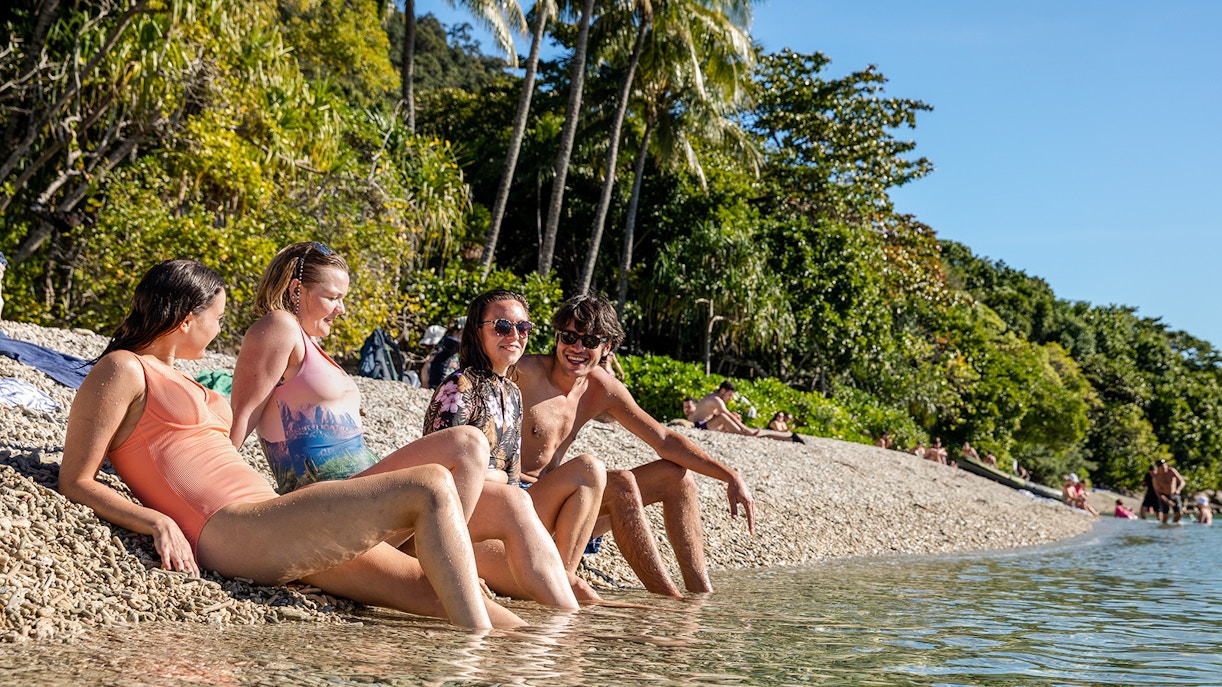
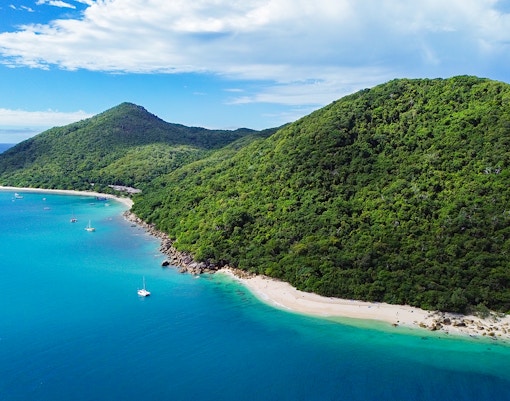
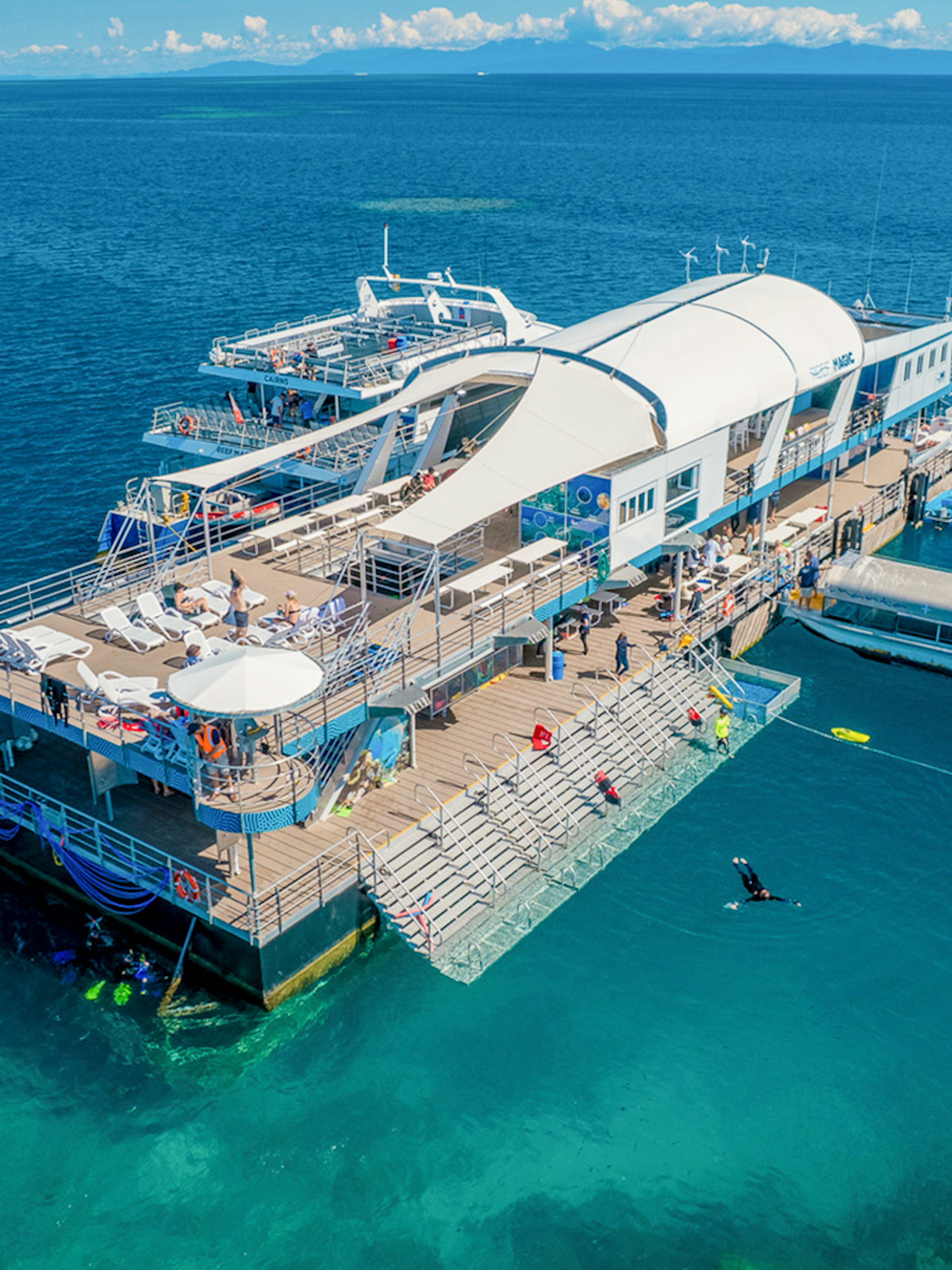
- Where our tours go: Green Island, Fitzroy Island, and the Moore Reef pontoon are the departure points across our glass-bottom boat tours, each pairing the boat ride with a different setting, island beach time, rainforest trails, or a full outer reef pontoon day.
- Motion sickness: The transfer out can get choppy on open water. If you're prone to seasickness, take medication before departure; this affects the boat ride itself, not the glass-bottom viewing, which is calm since the vessel is stationary or slow-moving during viewing.
- Standalone vs. bundled: Some of our tours are built entirely around the glass-bottom boat experience; others include it as one part of a longer reef or island day. Check each tour's inclusions to see which fits what you want.
Plan your glass bottom boat tour
Frequently asked questions about Great Barrier Reef Glass Bottom Tours
You can book online through our website, choosing from half-day or full-day options, with optional add-ons like snorkeling or island visits.
Yes. Tours operate year-round, though weather may affect visibility. The best months are May to October.
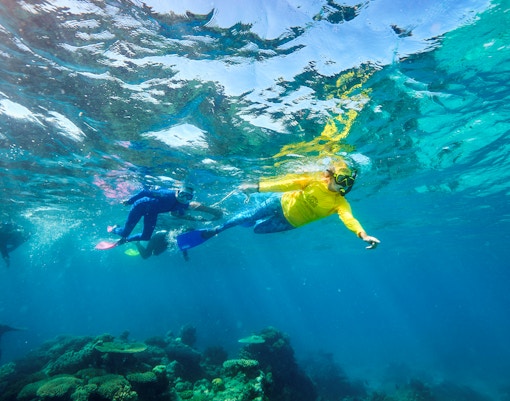
Not at all. These tours are 100% dry experiences unless you opt to snorkel or swim.
Yes, most boats welcome children and some even infants. Some provide kid-specific reef activities.
Yes. The boats cruise over shallow reefs where fish, coral, and turtles are easily visible.
Not always. But glass bottom boats are shaded and ventilated for comfort.
Tours generally range from 2.5 to 4.5 hours for half-day trips and can extend up to a full day depending on the itinerary and optional activities.
Most tours depart from Cairns Reef Fleet Terminal.
Yes, the glass-bottom boat is safe and accessible for all ages, including grandparents. Shaded seating and stable platforms make it family-friendly.
Many tours offer optional snorkeling, semi-submersible rides, island walks, or Seawalker helmet dives as add-ons to enhance your reef experience.
Some full-day tours include lunch or light refreshments, while half-day tours may allow you to bring your own snacks and drinks.
Yes. Tours may be rescheduled or canceled due to rough seas or unsafe conditions. Operators monitor weather closely to ensure safety.
Most glass-bottom boats and terminals offer easy access for wheelchairs and strollers, but it’s recommended to confirm with the operator before booking.

Yes, knowledgeable guides provide live commentary, point out marine life, and explain coral and reef ecosystems throughout the tour.